Stylized 3D Character Art: Creation and Outsourcing Guide
What defines stylized 3D character art, how production differs from realistic work, and how to find and brief studios that specialize in stylized 3D characters.
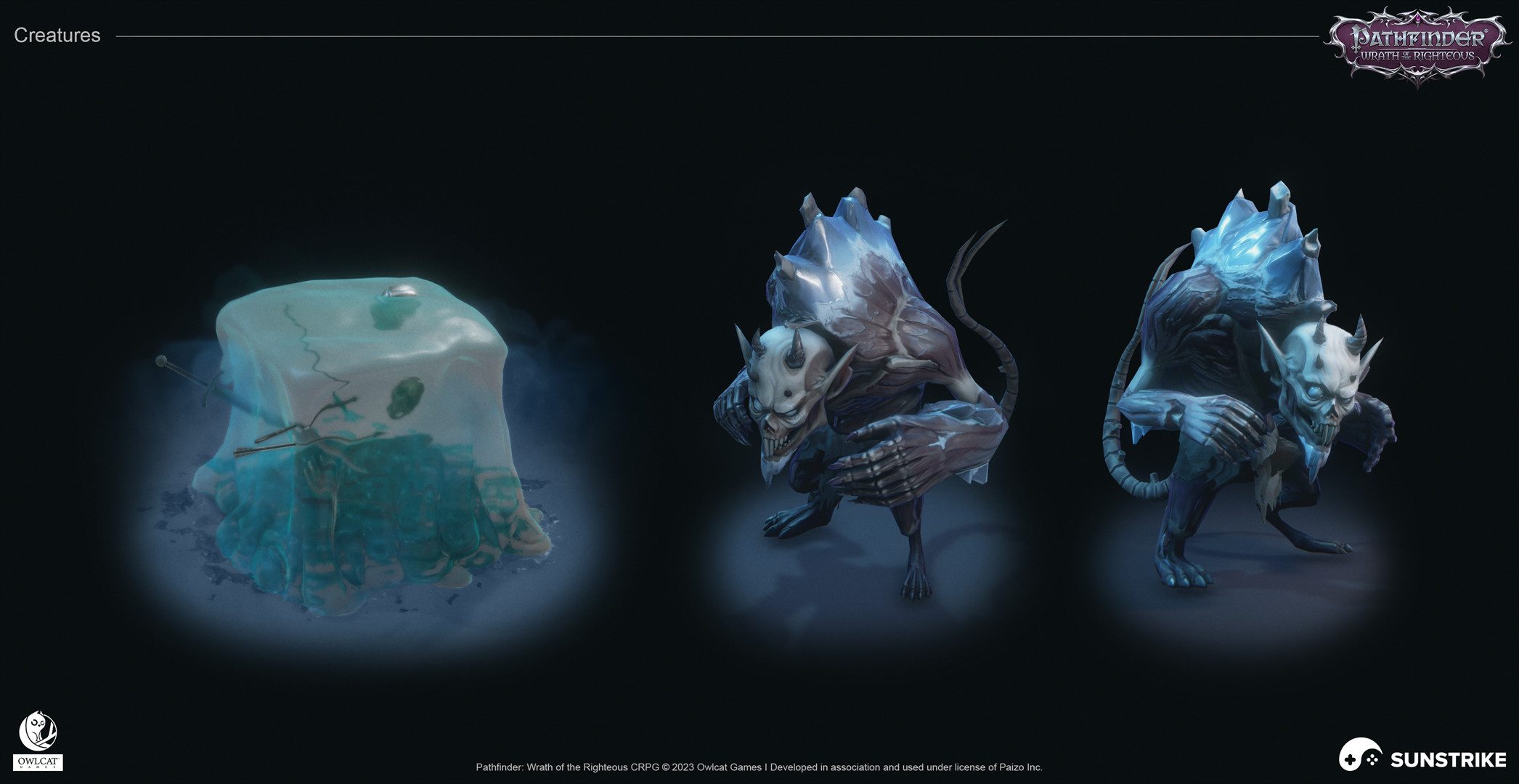
Stylized 3D character art has become one of the dominant aesthetics in games across all platforms - from mobile to PC to console. Games like Fortnite, League of Legends, Genshin Impact, and Valorant have made stylized character design not just acceptable but aspirational.
For studios building games with stylized visual direction, outsourcing character art is a common production strategy. But stylized 3D is also one of the harder disciplines to brief correctly, because “stylized” covers an enormous range of visual approaches and the quality bar for stylized work is deceptively high.
What “Stylized 3D Character Art” Actually Means
Stylized 3D exists in contrast to photorealistic 3D. Where realism tries to match reality, stylized work intentionally departs from it - using exaggerated proportions, simplified forms, bold colors, and deliberate abstraction to create a distinctive visual identity.
Within stylized 3D, the range is massive:
Chibi / super-deformed - extremely exaggerated proportions (large head, small body), used in mobile RPGs, gacha games, and chibi variants of main characters. Technically simpler than full stylized work but requires precise proportion control.
Semi-realistic stylized - proportions close to realistic but with simplified materials, cleaner lines, and more saturated colors than reality. Common in action games and story-driven games that want an expressive but grounded look.
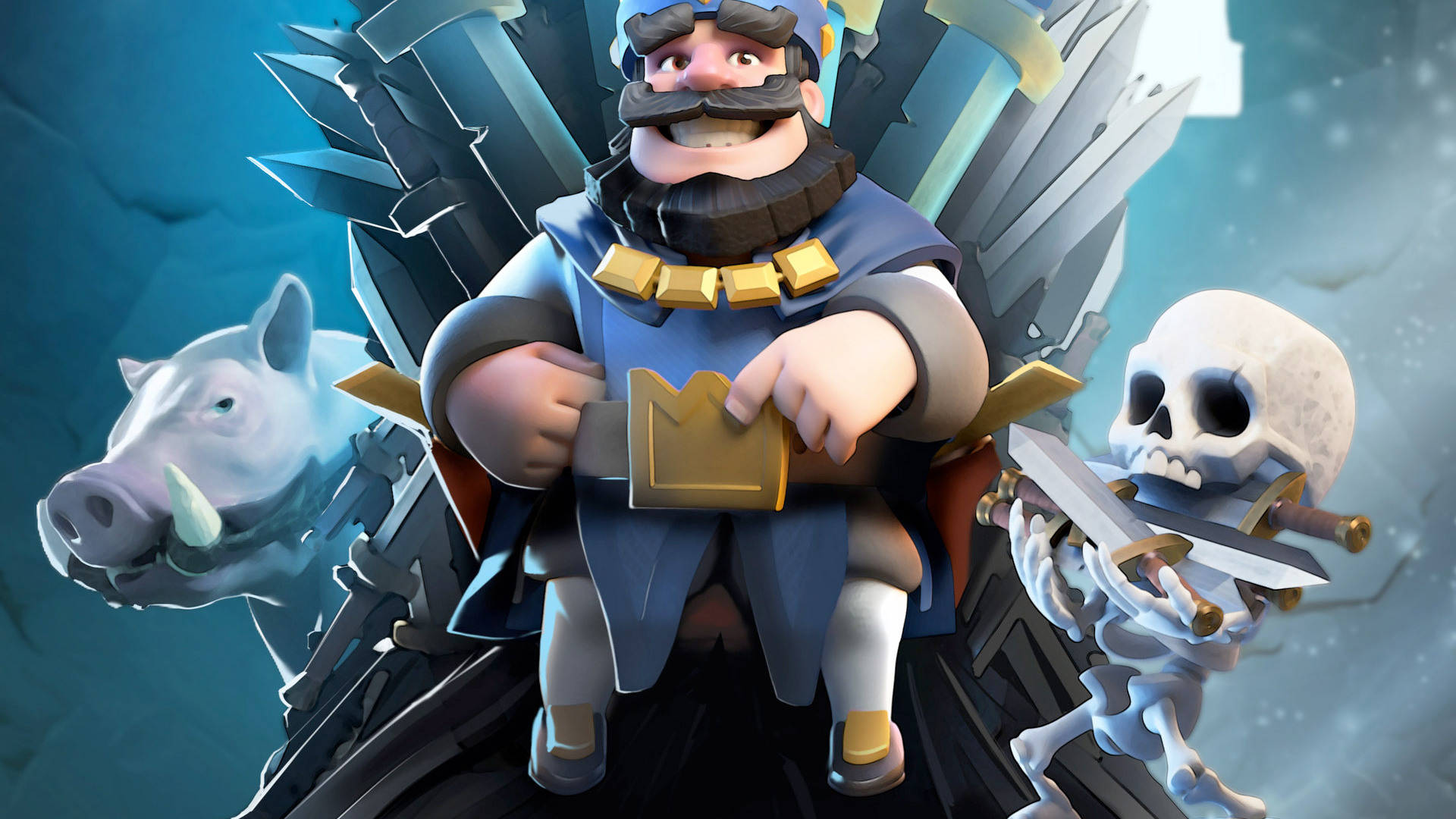
Cartoon stylized - more exaggerated, with clearly visible stylistic choices: bold outlines, flat or limited material systems, exaggerated expressions, simplified geometry. Think Fortnite, Overwatch, Valorant.
Painterly/illustrative - characters designed to look like illustrations come to life. Often has visible brush texture in materials, softer lighting models, and art direction that references traditional illustration rather than film VFX.
The distinction matters enormously for outsourcing: a studio that excels at semi-realistic stylized may produce weak work in cartoon stylized. These are different skill sets with different tool pipelines.
Why Stylized Characters Are Technically Demanding
A common misconception is that stylized work is easier than realistic work because the polygons are “simpler” or the textures are “lower detail.” In practice, stylized 3D character art is technically demanding in ways that aren’t always obvious.
Proportional Accuracy to a Concept
Stylized characters have specific, intentional proportions defined by the concept artist. A character whose head is slightly too small, or whose limbs are slightly too long, doesn’t look “a little different” - it looks wrong in a way that’s hard to articulate but immediately visible.
Accurate proportion matching from concept to 3D model is a specific skill. It requires spatial thinking, strong understanding of the character’s visual language, and willingness to revise until the silhouette matches the concept at every angle.
Clean Topology for Deformation
Stylized character animation often involves extreme expressions and exaggerated movements that photorealistic animation doesn’t need. A character who cartoonishly stretches an arm or makes a dramatic facial expression requires underlying mesh topology that can deform cleanly at these extremes.
Clean topology for stylized characters is different from clean topology for realistic characters - the edge flow needs to anticipate different deformation requirements.
Toon Shading and Stylized Material Systems
Many stylized games use toon shaders rather than PBR (physically-based rendering) materials. Toon shading requires texture maps painted in a specific way that doesn’t look correct in standard rendering but looks correct under the game engine’s stylized shader.
If your game uses a custom toon shader, your outsourced characters need textures painted to work with that shader. A studio that primarily produces PBR assets will need explicit briefing on your material system - and some studios may not have strong toon texture experience at all.
Outline and Silhouette Management
Many stylized games use post-process outlines or explicit outline meshes on characters. These outlines look correct at some camera distances and wrong at others if the underlying mesh silhouette isn’t managed correctly.
Experienced stylized character artists understand how to build meshes that produce clean outlines across a range of camera angles and zoom levels.
Finding Studios That Specialize in Stylized 3D Characters
The key distinction when evaluating studios for stylized character work is whether their portfolio demonstrates actual stylized expertise or whether they primarily do realistic work with occasional stylized projects.
What to Look For in a Portfolio
Consistent stylized portfolio work - not just one or two stylized examples among many realistic ones. Studios that focus on stylized work have portfolios that clearly reflect that focus.
Multiple style variants - a strong stylized character studio has experience across multiple stylized approaches (chibi, semi-realistic, cartoon) and can demonstrate the range. If you need a specific sub-style, verify they have portfolio examples in it.
Character sheets and concept-to-model pairs - where possible, ask to see the concept art alongside the final model. The quality of proportion and style translation from 2D concept to 3D model is the single most useful signal.
Posed renders vs. T-pose - T-pose models look different from posed, in-context characters. Ask for both. A character that looks great in T-pose but falls apart in a natural game pose has rigging or topology issues.
Animation examples - if you need rigged characters, ask specifically for animation examples. A stylized character rig that handles stretch and squash correctly is a different skill from static modeling.
Questions to Ask Prospective Studios
- What game engine are you most experienced delivering for? (Unity and Unreal have different material systems and technical requirements)
- Do you have experience with toon shaders or stylized material systems?
- Can you show examples of characters in the specific sub-style we’re targeting?
- What is your process for handling proportion corrections if the 3D model doesn’t match the concept art?
- Do you handle rigging and animation in-house, or is that a separate contractor?
Briefing Stylized Character Production
The brief for a stylized character needs more visual specificity than a brief for a realistic character, because “stylized” covers so much ground.
Essential Brief Components
The concept art - every stylized character should start from concept art that defines the design. If you’re providing the concept, make sure it shows the character from multiple angles (front, side, 3/4 back at minimum) and includes detail callouts for important design elements.
If you don’t have concept art, the first deliverable from the studio should be concept development - not immediate 3D production.
Style reference models - screenshots or renders of characters from games with a similar style to your target. These give the studio a visual shorthand for the aesthetic you want even when it’s hard to articulate in words.
What to avoid - negative references are as useful as positive ones. If there are styles you don’t want - certain types of exaggeration, certain material treatments, specific visual approaches you’ve seen in competitor games - document them.
Engine and material specifications - which engine, what shader system, whether you use toon outlines, what LOD requirements apply, what texture resolution and format you need.
Animation requirements - if the character needs rigging, provide your animation state machine requirements, rig complexity requirements, and any specific deformation challenges to anticipate (extremely long hair, unusual proportions, physics-simulated elements).
Polygon budget - mobile characters typically have 2,000–5,000 triangles; PC/console can go up to 30,000–80,000+ for hero characters. Define this clearly.
The Concept-to-Model Approval Process
For stylized characters, a blockout review stage is essential before proceeding to final modeling. A blockout (low-detail stand-in with correct proportions and silhouette) lets you confirm the proportion translation from concept to 3D is correct before the studio invests time in high-detail work.
Proportion corrections are inexpensive at blockout stage and expensive after texturing is complete. Requiring a blockout approval before proceeding is standard practice and a strong studio will expect it.
Common Problems in Stylized Character Outsourcing
Proportion drift over the model’s development. A character that looks correct at concept stage can drift during production as individual elements are refined in isolation. Compare the final model against the original concept from multiple angles before approving.
“Realistic drift” in texturing. Artists trained in PBR workflows can unconsciously apply realistic material logic to stylized characters - adding subtle scratches, real-world surface variation, physically accurate specular - when the style calls for cleaner, flatter treatment. Provide explicit guidance on what realistic-looking elements to avoid.
Rig compatibility issues. A rig built by one studio may not integrate cleanly into your game engine’s animation system, or may not support the animation complexity you need. Test the rig with representative animations before final approval.
Late-stage design changes. In game development, character designs sometimes change after production has started. Stylized characters are particularly sensitive to design changes because the proportions are intentional - even small changes (slightly different head size, altered costume elements) can require significant remodeling. Establish a design freeze before production begins.
3D Character Modeling Services: What You’re Buying
When you hire a 3D character modeling service for stylized work, the deliverable typically includes:
- Game-ready mesh - topology optimized for real-time rendering and animation
- UV unwrap - texture coordinates laid out efficiently with minimal distortion
- Texture maps - diffuse/albedo, normal, emission, and any style-specific maps required by your shader
- Rig - skeletal hierarchy with bound mesh, configured for your engine (if animation is in scope)
- LOD variants - multiple detail levels if specified
- Source files - Maya, Blender, or ZBrush source files, depending on contract terms
Confirm what’s included in the quote before signing. Some studios quote modeling only (no rig, no LODs). Others provide full delivery through engine integration. The scope should match your production needs.
For more on finding the right 3D studio, see our 3D art outsourcing guide. For cost benchmarks, see game art cost guide.
Stylized 3D character art, done well, is one of the most impactful visual investments you can make in a game’s visual identity. The studios that produce it best understand that “stylized” isn’t a reduced version of realistic work - it’s a distinct discipline with its own demands.