Video Game Art Styles: A Complete Guide for Developers
A comprehensive overview of video game art styles - pixel art, cel-shading, realistic 3D, low poly, and more - with practical guidance on choosing and outsourcing each style.
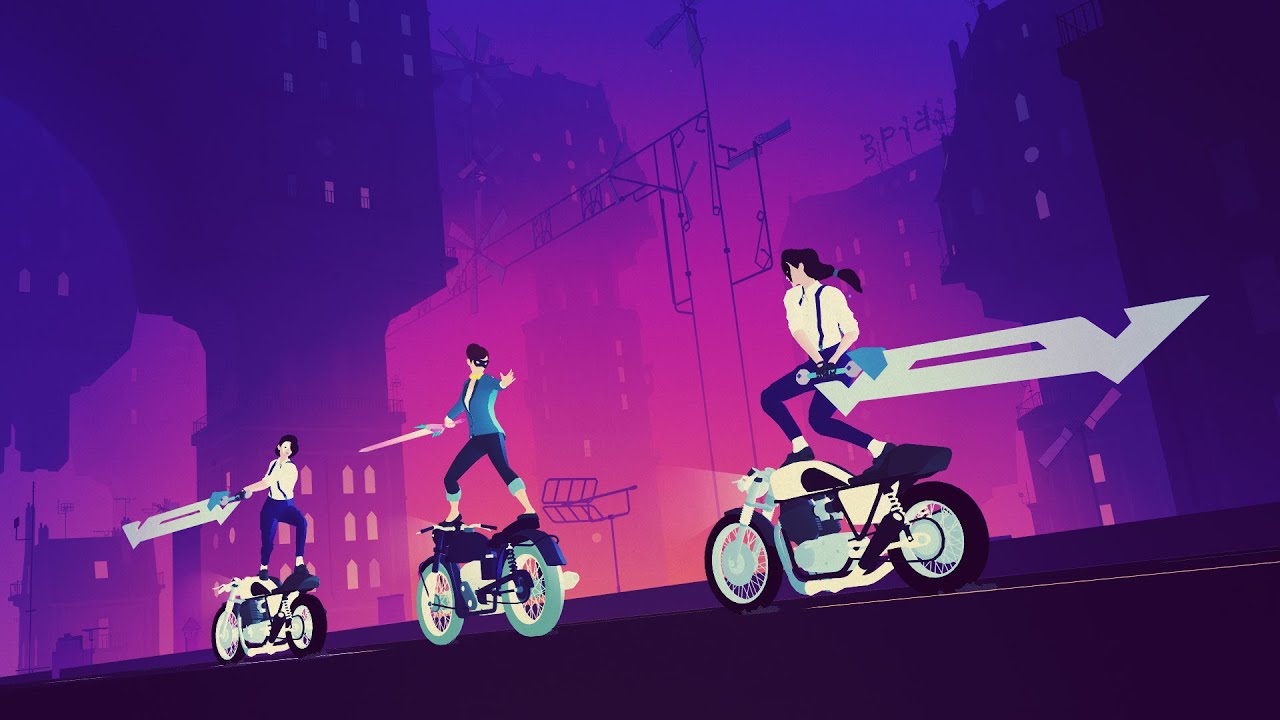
Art style is one of the first decisions a game studio makes - and one of the hardest to change mid-production. It shapes production costs, team size, pipeline complexity, and the emotional tone players feel before they read a word of copy.
This guide covers the major video game art styles in active use today, what makes each one work, and - for studios considering outsourcing - what each style actually means for production scope and team requirements.
What Makes an Art Style in Games?
An art style is more than a visual preference. It defines:
- Color palette and lighting - saturated or muted, ambient or dramatic
- Line work - whether outlines exist, how thick, whether they’re consistent
- Level of detail - polygon counts, texture resolution, surface complexity
- Character proportions - realistic anatomy vs. stylized shapes
- Environmental language - how levels communicate space and scale
Studios that define their art style clearly before production starts have fewer revision cycles, cheaper outsourcing, and more coherent final products. Studios that leave it ambiguous pay for that ambiguity later.
2D Game Art Styles
Pixel Art
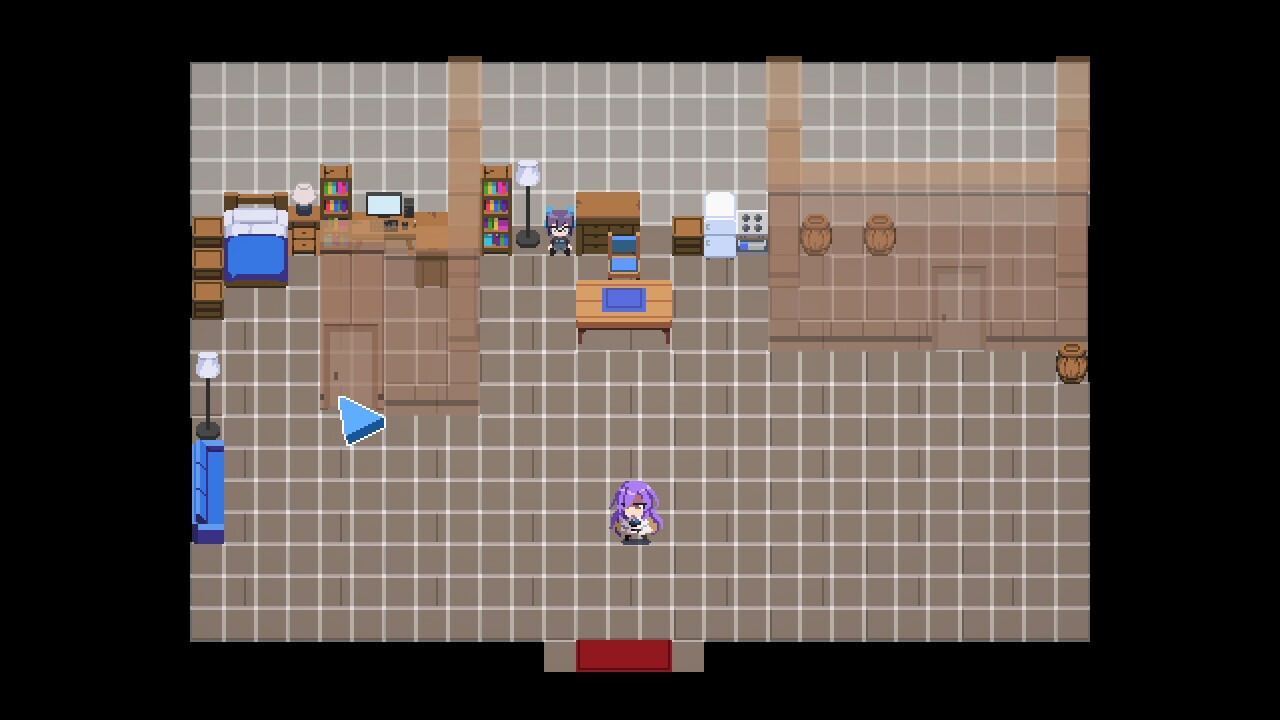
Pixel art uses a fixed grid of colored squares - pixels - as the primary visual unit. Originally a technical constraint of early hardware, it’s now a deliberate creative choice with strong genre associations.
Classic pixel art examples include Celeste, Stardew Valley, and Shovel Knight. Each uses pixel art differently: Celeste for precision platforming, Stardew for warmth and nostalgia, Shovel Knight for deliberate 8-bit homage.
What outsourcing looks like: Pixel art requires artists who understand the specific rules of the medium - color palette limits, dithering techniques, consistent pixel density across assets. It’s not “simpler” than other 2D styles; it’s specialized. Budget accordingly. Expect higher per-asset costs than flat illustration, lower than hand-painted.
Hand-Drawn / Cartoon 2D
This style uses visible brush strokes, organic linework, and expressive character designs. Think Cuphead, Hollow Knight, or Skullgirls. The unifying trait is that the art looks like it was made by a human hand rather than generated from 3D renders or geometric shapes.
Quality varies enormously here. A strong hand-drawn style needs senior illustrators who understand animation-friendly design - clean silhouettes, consistent line weight, color fills that work at multiple sizes.
What outsourcing looks like: This is one of the most outsourcing-friendly 2D styles when the art direction is locked. Studios routinely outsource individual characters, backgrounds, and UI elements to specialized 2D illustration teams. The critical requirement: a thorough style guide and reference sheet before any production begins.
Cel-Shading
Cel-shading applies a flat, cartoon-like shading model to 3D geometry - the result looks hand-drawn even though the underlying assets are polygonal. Borderlands, Jet Set Radio, and The Legend of Zelda: Wind Waker are the canonical examples.
The technique produces strong silhouettes, bold outlines, and a comic-book quality that reads well on both large and small screens.
What outsourcing looks like: Cel-shaded work sits between 2D and 3D pipelines. Artists need to understand both how to model geometry that cel-shading renders well and how to configure the shader itself. It’s a niche specialization - not every 3D team can execute it cleanly. When briefing studios, provide in-engine screenshots, not just concept art.
Flat / Minimalist
Flat design uses solid fills, minimal gradients, and geometric shapes. In games, it’s common in mobile titles, puzzle games, and strategy UIs. Monument Valley, many hyper-casual titles, and the UI layer of most premium mobile games live here.
What outsourcing looks like: Flat illustration is the most accessible 2D style to outsource. The rules are clear, the tooling is standard, and iteration is fast. The risk is blandness - generic flat assets look the same across a thousand games. Investing in a distinctive color system and shape language before outsourcing pays back in product differentiation.
Watercolor / Painterly 2D
Painterly 2D uses textured brushwork, visible paper or canvas grain, and soft color transitions. Gris, Ori and the Blind Forest, and Spiritfarer represent the premium end of this style.
These games use their painterly quality as a core part of their emotional communication - the visual softness reinforces the tonal softness of the game itself.
What outsourcing looks like: The hardest 2D style to outsource consistently. Brushwork is personal, and maintaining style coherence across multiple artists requires an exceptionally detailed style guide and a strong internal art director reviewing every batch of deliverables.
3D Game Art Styles
Photorealistic / AAA Realistic
High-fidelity realistic 3D is the dominant style of console and PC AAA games. The Last of Us, Red Dead Redemption 2, Cyberpunk 2077 - games that push hardware limits to simulate real-world materials, lighting, and anatomy.
This style has the highest production cost per asset and the longest iteration cycles. Surface detail, correct PBR (physically based rendering) material setups, and environmental storytelling all require senior specialists.
What outsourcing looks like: Large-scale realistic outsourcing is the backbone of AAA production. Most major studios outsource environment assets, secondary characters, and props while keeping leads and hero characters in-house. Vendors need Unreal or Unity experience, PBR pipelines, and strong QA processes. See our guide to AAA game art outsourcing.
Stylized / Cartoon 3D
Stylized 3D uses exaggerated proportions, vibrant color, and simplified surfaces to create a warm, approachable look. Fortnite, World of Warcraft, Overwatch - this style dominates live-service games because it reads clearly at small sizes, ages better than realism, and communicates character personality instantly.
What outsourcing looks like: This is the most commonly outsourced 3D style. Character, environment, and prop work all outsource well when the art style guide is complete. The key brief requirements: proportion guides, color palette swatches, surface complexity limits, and in-game screenshots for scale reference.
Low-Poly
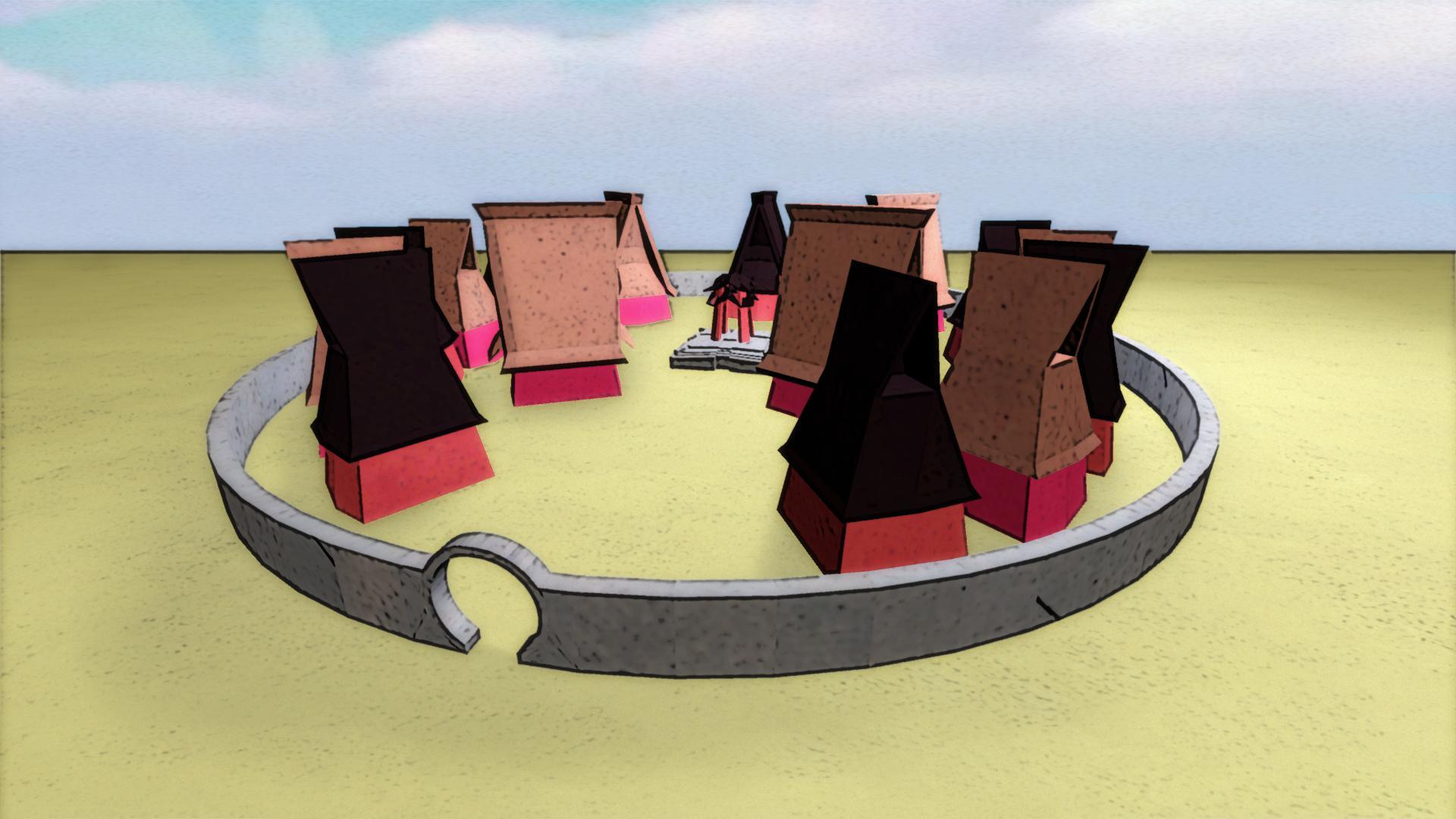
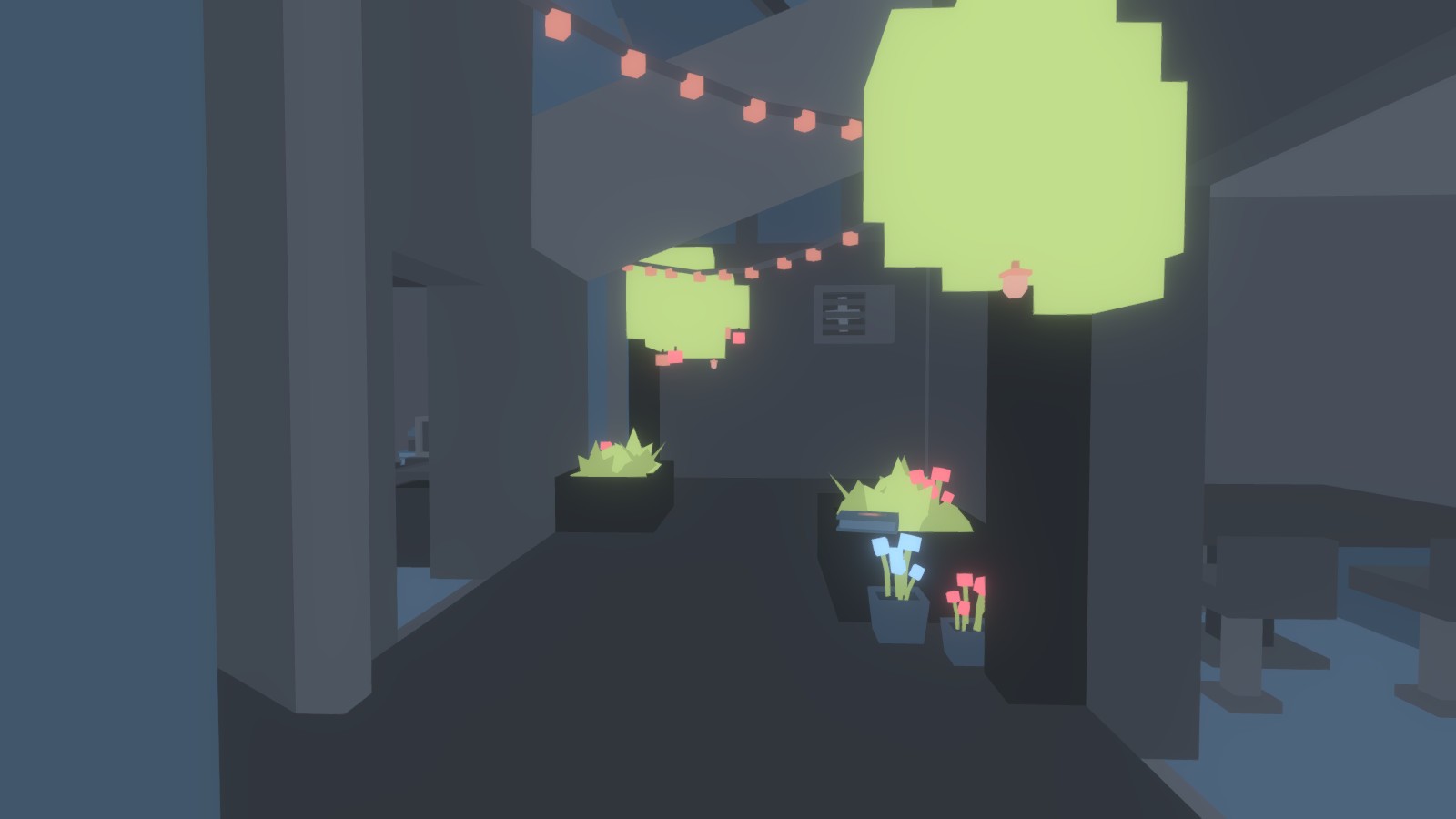
Low-poly uses deliberately faceted geometry as an aesthetic rather than a technical limitation. Clean geometric shapes, flat or lightly shaded faces, and minimal texture work create a crisp, architectural quality. Indie games like Monument Valley 3D, Astroneer, and many mobile titles use this style effectively.
What outsourcing looks like: Low-poly is highly outsourcing-friendly. Asset complexity is lower than realistic or stylized 3D, iteration is fast, and quality is easy to assess from renders alone. Budget is typically lower per asset than other 3D styles, making it accessible for smaller studios.
Painterly 3D
Sometimes called “WoW-style” after World of Warcraft’s hand-painted textures, this approach uses 3D geometry with textures that look hand-painted rather than photographed or procedurally generated. The result is a warm, timeless quality that avoids the uncanny valley entirely.
Hearthstone, Heroes of the Storm, and classic WoW expansions demonstrate this at its best. The style has aged significantly better than contemporary realistic games from the same era.
What outsourcing looks like: The hand-painted texture requirement narrows the vendor pool. Not every 3D studio has artists trained in this technique. When outsourcing, verify that studios have shipped painterly-textured assets before rather than relying on normal-mapped PBR workflows.
Hybrid and Specialty Styles
Isometric
Isometric games render the world at a fixed diagonal angle - either in 2D (classic isometric pixel art) or 3D (with a locked camera). Hades, Divinity: Original Sin 2, Into the Breach - this perspective has deep genre associations with RPGs and strategy games.
What outsourcing looks like: Isometric work requires spatial awareness that flat 2D work doesn’t demand. Assets must read correctly from the fixed camera angle, and tilesets must connect cleanly. Specify the exact isometric angle (typically 26.57° or 30°) and provide grid templates with any brief.
Voxel Art
Voxel art builds environments and characters from cubic units stacked in 3D space - think Minecraft, but also Teardown and Mineways. The aesthetic has specific associations: block-building games, cozy titles, and procedural worlds.
What outsourcing looks like: Voxel is a niche specialty. Few generalist studios produce quality voxel work - look for artists with dedicated voxel portfolios. Tool-specific knowledge (MagicaVoxel, Voxatron) matters here.
How to Choose the Right Art Style for Your Game
Art style selection is a production decision as much as a creative one. The relevant factors:
Genre and audience expectations. Horror games use desaturated realism or high-contrast stylization. Mobile puzzle games use flat or minimalist. Deviation from genre norms is possible - but requires conscious justification.
Platform and screen size. Mobile games need styles that read on 4-6 inch screens. Pixel art and flat design work well. High-fidelity realism is harder to justify - and harder to see - at mobile scale.
Budget and team size. Realistic 3D costs more per asset than stylized, which costs more than low-poly. If your budget is limited, choose a style that matches what you can afford to produce well. A mediocre realistic game reads as a worse product than a polished stylized one.
Long-term maintainability. What happens when you need to add content two years post-launch? Realistic 3D requires specialists. Stylized and flat design scale better with smaller, more generalist teams.
Timeline constraints. Pixel art and low-poly iterate faster than realistic 3D. If your timeline is compressed, that’s a real factor.
Art Style and Outsourcing: What Actually Changes
Every art style outsources differently. Here’s the practical pattern:
Easiest to outsource: Flat/minimalist 2D, low-poly 3D, stylized cartoon 3D. Clear rules, fast iteration, easy QA.
Moderate complexity: Pixel art, isometric, realistic 3D environments. Requires specialists or strong briefs.
Most challenging: Painterly 2D/3D, cel-shading, hand-drawn. Style coherence requires strong art direction and frequent review cycles.
In all cases, the quality of your brief determines the quality of the output more than the vendor selection does. A complete art style guide - with annotated examples of what’s right, what’s close but wrong, and what’s clearly wrong - cuts revision cycles in half.
If you’re deciding between styles and outsourcing is part of your production plan, factor in which styles your target vendors can actually execute. A studio that says “we can do any style” typically means they’ve done some work in most categories. A studio with a portfolio full of stylized cartoon 3D is the right choice for stylized cartoon 3D - not a generalist alternative.
Art style decisions made early, with production reality in mind, are among the most valuable investments a game studio can make. The style you choose will follow the game through every marketing asset, every patch, every DLC - and it will determine whether outsourcing your art pipeline is straightforward or painful.
If you’re scoping out what a specific art style costs to produce or outsource, our game art cost guide covers per-asset pricing across styles and complexity tiers.