2D Game Art Outsourcing: How to Find the Right Studio
Practical guide to 2D game art outsourcing - what work outsources well, how to find specialized studios, what to check in portfolios, and managing the pipeline.
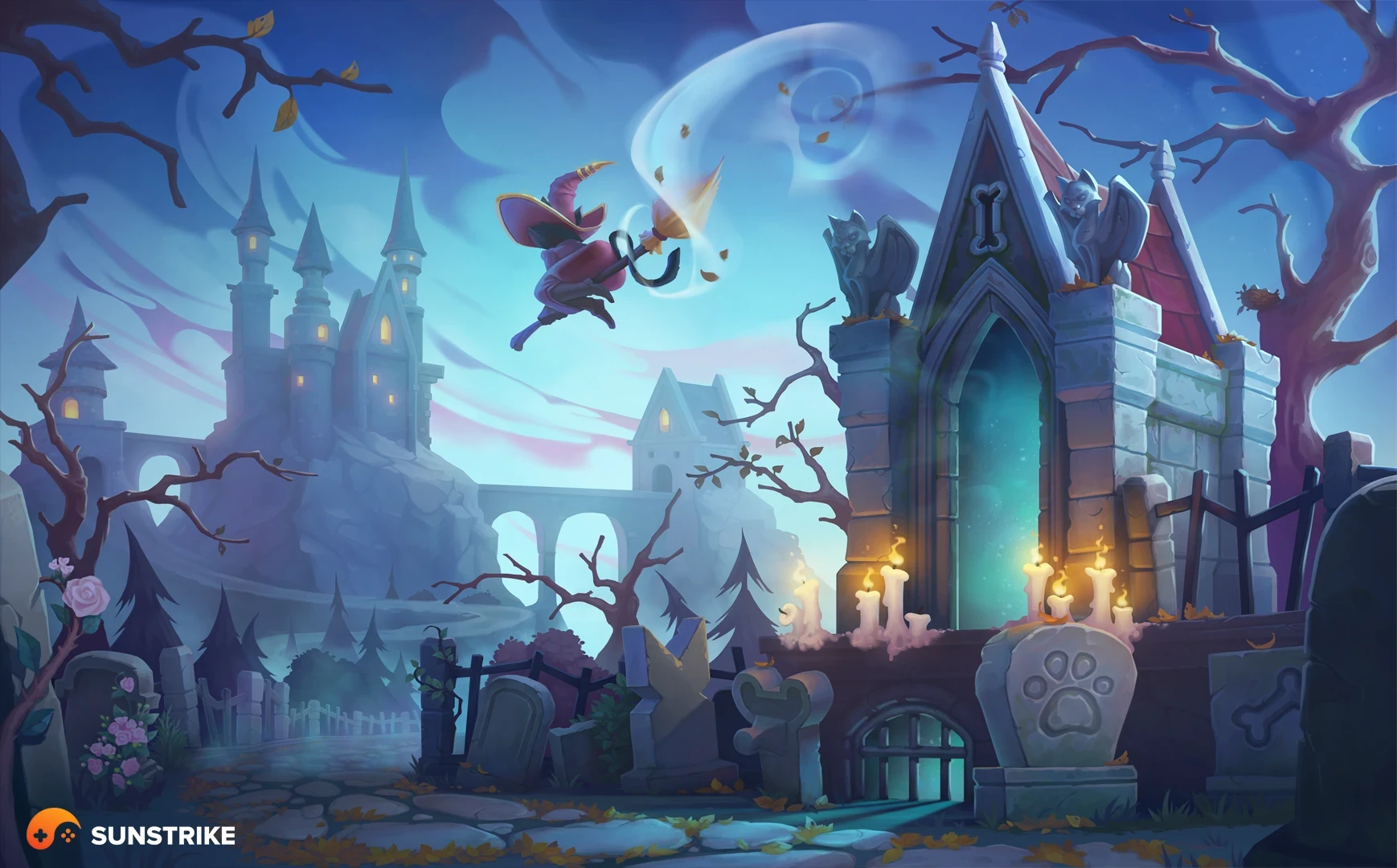
2D game art outsourcing is the most accessible form of external game art production. The barrier to entry is lower than 3D, the iteration cycle is faster, and the freelance and studio market is large enough that you can find qualified specialists for almost any 2D art style.
But “accessible” doesn’t mean effortless. Poor briefs, style mismatches, and pipeline problems are just as common in 2D outsourcing as in any other art discipline. This guide covers how to do it correctly.
What Types of 2D Work Outsource Well
Not all 2D game art has the same outsourcing profile. Some work is well-suited to external production; some is better kept in-house.
Works Well for Outsourcing
Asset volume production - sprite sheets, icon sets, UI elements, environmental props, item databases. When you have a well-defined visual style and need production volume, 2D outsourcing delivers high ROI. The studio can produce to spec without constant creative direction.
Background art - environment paintings, scene backgrounds, loading screens. These are discrete, scoped deliverables that can be fully briefed upfront. A good background artist or studio can produce stunning work from detailed references.
Concept art - character concepts, environment concepts, creature designs. Concept art is a specialist skill that many studios need intermittently but can’t justify hiring permanently. External concept artists with specific style expertise are widely available.
UI art - icons, button states, HUD elements, menus. UI art has precise technical requirements and benefits from specialized knowledge of interface design patterns. Many UI-focused studios handle game UI production efficiently.
Marketing and promotional art - key art, app store screenshots, social media creative. This is typically handled by different specialists than game asset artists, but the briefing and production principles are the same.
Works Less Well for Outsourcing
Core character design - defining your main character’s visual identity is exploratory work that benefits from close creative collaboration. If you’re still figuring out what your protagonist looks like, that’s not ideal outsourcing territory.
Art direction and style definition - figuring out what your game should look like is not something you can brief externally. Define the style first, then outsource execution.
Assets requiring constant iteration with design - gameplay elements that change frequently based on design feedback (tutorial UI, gameplay mechanics visualization) create heavy back-and-forth with an external studio.
Finding 2D Art Outsourcing Studios
The market for 2D game art outsourcing is fragmented - you’ll find everything from individual freelancers to mid-size studios with dedicated 2D teams. The right choice depends on your scope.
ArtStation
ArtStation’s Studios section is the highest-signal source for finding 2D art studios. Filter by discipline and style. The quality of the portfolio is public and verifiable - you can see exactly what a studio produces before making contact.
When browsing ArtStation for 2D outsourcing partners, search specifically for your style: “stylized 2D character art,” “pixel art,” “hand-painted,” or whatever fits your game. Don’t evaluate studios that are good at something different from what you need.
Referrals From Other Developers
A developer who has successfully outsourced 2D art in a style similar to yours is the highest-value recommendation you can get. Their experience with the studio’s communication, revision process, and consistency is real production data.
Ask in relevant communities: game developer Discords, Twitter/X game dev circles, developer Slack groups. Be specific about what you’re looking for - the more specific you are, the more useful the referrals you’ll receive.
Freelancer Platforms
For smaller scopes, platforms like Upwork and direct freelancer relationships on ArtStation work well. Freelancers are more variable in reliability and process than studios, but the cost per asset is often lower and the top freelancers produce exceptional work.
For large production volumes, individual freelancers become a coordination bottleneck - you’re better served by a studio with internal team capacity.
Evaluating a 2D Art Studio’s Portfolio
The portfolio evaluation process for 2D outsourcing has specific things to look for:
Style Range vs. Style Depth
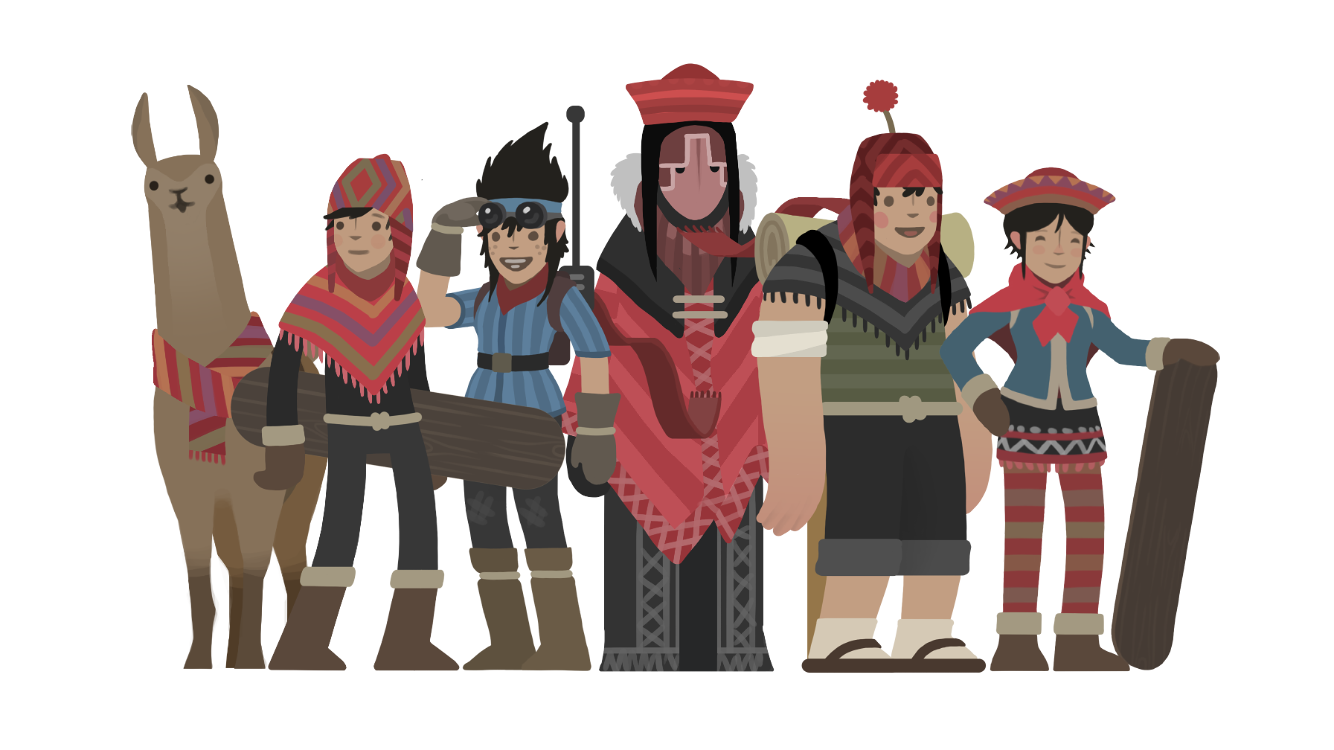
Some studios do excellent work across multiple 2D styles. Others specialize deeply in one style. For your evaluation, style depth in your specific target style matters more than range.
A studio with 50 examples of high-quality stylized mobile game art is a better match for your stylized mobile game than a studio with 5 examples across 10 different styles - even if the 10-style portfolio has higher average quality.
Animation Examples
If your project requires animation, evaluate animation work separately from static art. A studio that produces excellent static sprites may have a weaker animation team. Request specifically:
- Walk cycles and action animations (not just idle loops)
- Examples in your target style
- Frame count and method (frame-by-frame vs. skeletal animation)
Production Runs vs. Hero Pieces
The portfolio pieces a studio leads with are their best work, carefully curated. What you actually receive will be the median production output, not the peak showcase work.
Request examples of full production batches: “Can you show me a complete icon set or sprite sheet delivered for a shipped game?” Production batches show consistency across many assets, which is what you’ll actually be reviewing.
Verify Claims Against Live Games
If a studio claims portfolio work appeared in a specific game, download that game and look. This is the most reliable portfolio check available, and it catches misrepresentation before it causes problems.
How to Write a 2D Art Brief That Works
A good 2D art brief is precise on style and clear on technical requirements. The most common brief failures are:
Underspecified style. “We want clean and colorful” is not actionable. “Flat vector illustration, limited 5-color palette per character, no gradients, similar to Monument Valley character design” is actionable. Use multiple references and annotate what specifically you’re referencing.
Missing variant list. If you need a character sprite with walk, idle, jump, and attack animations plus 3 color variants, every one of those needs to be in the brief. Unspecified variants show up as scope additions - and change orders.
Unclear technical specs. Define resolution (in-game resolution, not print DPI), file format (PSD source + PNG export, or just export), naming convention, and delivery method upfront. The studio should not have to ask.
Inconsistent references. If you provide 5 references that span three different art styles, the studio will struggle to synthesize them. Pick references that share a consistent visual language, and note what specific aspect of each reference you’re pointing to.
Managing the 2D Production Pipeline
2D outsourcing typically follows this pipeline:
- Brief delivery - written brief + reference package sent to the studio
- Concept/sketch pass - rough sketches or initial concepts for approval before final execution
- Color/style pass - color applied, style refined
- Final art pass - cleaned up, complete
- Revision round(s) - feedback applied
- File delivery - source + exports in agreed format
The sketch approval stage (step 2) is the most important checkpoint. A confirmed sketch that you approve means the final direction is locked. If you don’t approve concepts and then reject the final art, you’re asking for a redo from scratch - which is expensive and creates conflict.
Consolidate feedback. Give all your feedback at each stage in one communication, not multiple back-and-forth emails. Clear, written feedback at each checkpoint produces faster results and fewer misunderstandings than a live call followed by email follow-up.
Maintain a revision log. For longer production runs, track what feedback was given at each revision and what was applied. This is especially useful when quality issues emerge later - you can trace when a problem was introduced.
Red Flags Specific to 2D Art Outsourcing
Style inconsistency within a batch. If the studio’s portfolio shows inconsistent quality between pieces, it often means senior artists produce the showcase work and junior artists handle production runs. Ask who specifically will be working on your project.
Unwillingness to do a paid test. Any legitimate 2D studio will do a paid test asset before committing to full production. A studio that refuses or pushes back on this is either overcommitted or not confident in their ability to hit your style.
Slow sketch delivery. If concept sketches take longer than the agreed timeline, the final art will too. The first deliverable is the signal.
Heavy use of stock references without transformation. Some studios directly trace or closely copy reference images. You want original work that’s informed by references, not derivative copies.
What 2D Art Outsourcing Costs in 2026
Current market rates for 2D game art outsourcing vary widely by style complexity, studio tier, and location. Rough benchmarks:
| Asset Type | Budget Studio | Mid-Tier Studio | Premium Studio |
|---|---|---|---|
| Character sprite (static) | $80–$150 | $200–$500 | $500–$1,200 |
| Character sprite (4-state animation) | $300–$600 | $700–$1,500 | $1,500–$3,000 |
| Icon set (20 icons) | $200–$400 | $400–$900 | $900–$2,000 |
| Background/scene | $150–$300 | $400–$800 | $800–$2,500 |
| Concept character | $100–$200 | $300–$600 | $600–$1,500 |
Budget studios often use Eastern European, Southeast Asian, or Latin American pricing. Mid-tier typically represents established studios with solid processes. Premium studios are those with strong portfolios of shipped AAA-adjacent work.
The quality spread within each tier is significant. The best budget studios outperform mediocre mid-tier studios. Rate is a starting point for evaluation, not a quality signal.
For cost benchmarks, see our game art cost guide. For comparison with 3D options, see 2D vs 3D game art outsourcing.
Building Toward a Long-Term 2D Partnership
The highest efficiency in 2D art outsourcing comes from long-term relationships with one or two studios that understand your visual language.

After the first successful production run, invest in onboarding the studio more deeply:
- Share your full art style guide, not just the per-project references
- Introduce them to your technical pipeline and integration requirements
- Give candid feedback on what worked and what could improve
- Plan future work scope so they can maintain team continuity on your project
Studios that work with you repeatedly develop an internal understanding of your preferences that eliminates the back-and-forth of the early relationship. A studio on its fifth project with you will deliver faster, closer-to-brief results than a first-time vendor - even if the first-time vendor has a better portfolio.