Slot Game Art Outsourcing: iGaming Production & Studio Guide
Benefits of outsourcing slot and casino game art - how to find a reliable studio, ensure quality, avoid contract pitfalls, and what makes iGaming art production distinct.

Casino and slot game art occupies a unique niche in the game art industry. The aesthetic requirements, regulatory constraints, and production volumes involved are different from anything else in game development - and the studios that specialize in this space have built production pipelines and visual sensibilities specifically tuned to the iGaming market.
This guide covers what makes casino game art distinct, what the production pipeline looks like, and how iGaming studios source and manage external art production.
What Makes Casino and Slot Game Art Different
Visual Language and Style Requirements
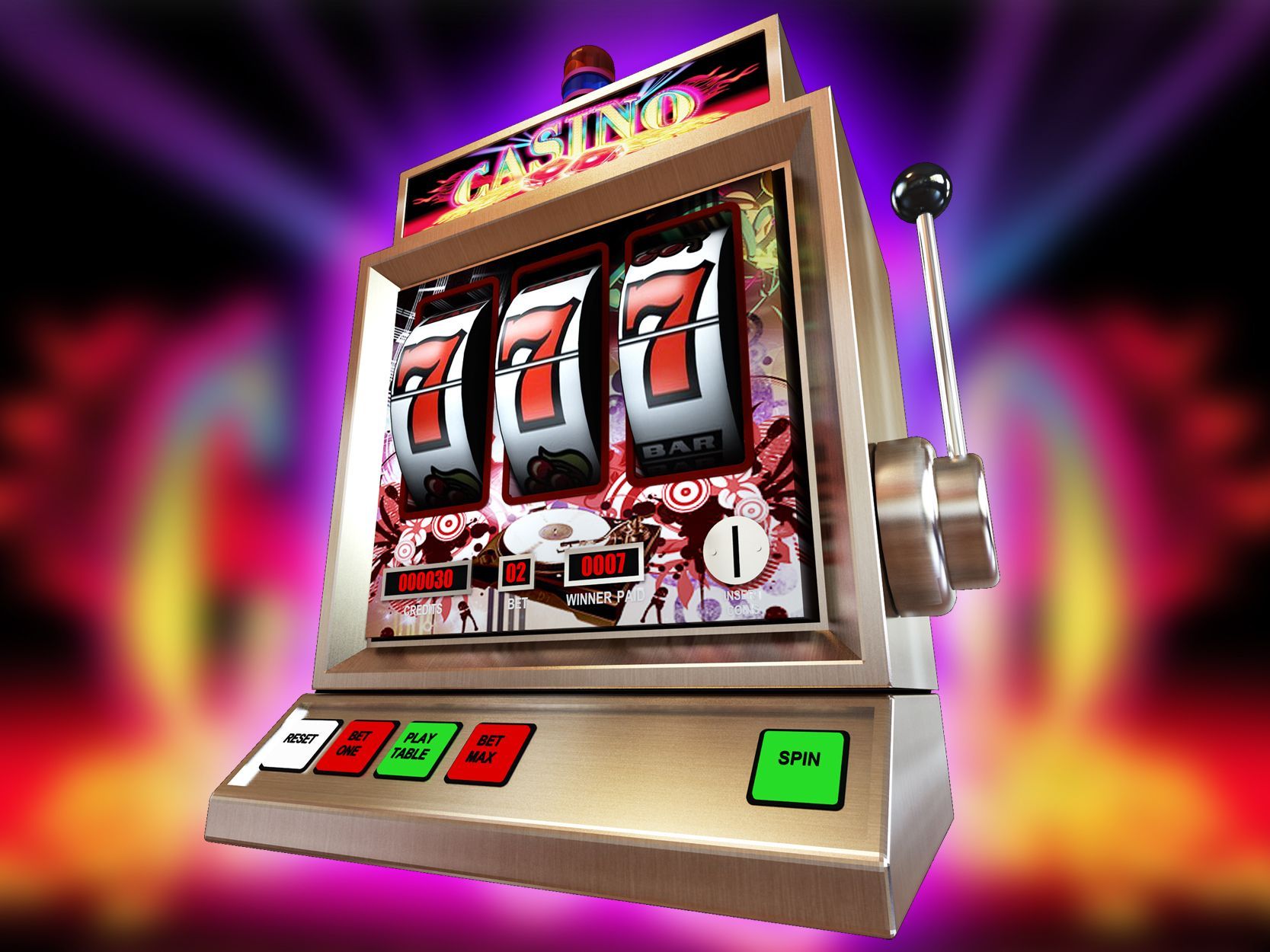
Slot machine artwork has a recognizable aesthetic: saturated, high-contrast, often ornate. The visual language prioritizes immediate emotional impact - excitement, reward, luxury, fantasy. The dominant styles include:
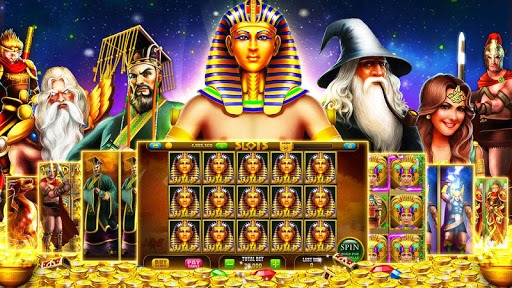
Rich illustrated style - elaborate, hand-crafted illustrated symbols, backgrounds, and bonus game environments. Characters and creatures have high detail, rich shading, and painterly quality. This style communicates value and craftsmanship.
Stylized cartoon - high-energy, exaggerated proportions, bold outlines. Popular for branded games and games targeting casual demographics. Cheerful, optimistic palette.
Photorealistic 3D - cinematic-quality 3D rendering used in premium video slots. Characters, environments, and cutscenes rendered at film quality. Requires 3D specialists with strong lighting and rendering expertise.
Classic/retro - deliberately simple, referencing the visual conventions of physical slot machines. Limited palette, clean symbols, nostalgic appeal.
The key visual requirement across all styles: symbols must be immediately legible at small sizes. Slot symbols are displayed in a grid, often at relatively small dimensions on screen. A symbol that looks great at 512×512 but loses clarity at 128×128 fails the production standard.
Symbol Design Requirements
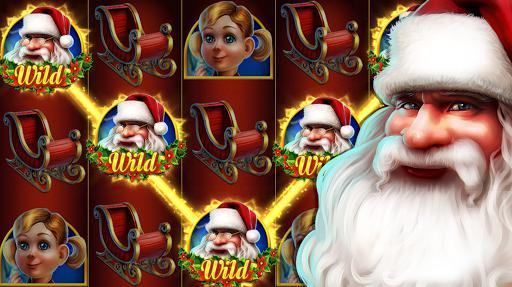
The reel symbols are the primary art deliverable in slot production. A typical base game requires 8–12 unique symbols across a range of visual weight levels:
Low-value symbols - card suits (A, K, Q, J, 10) or thematic equivalents. Lower detail, often simpler design. Produced in large quantities.
Mid-value symbols - thematic objects (coins, chests, potions, weapons - depending on theme). Medium detail.
High-value symbols - premium thematic items or characters. Highest detail, most elaborate visual design.
Wild and scatter symbols - typically the most visually prominent symbols in the set. Often animated, with elaborate design and special visual effects when triggered.
Bonus symbols - trigger bonus games; visually distinct from the base symbol set.
Each symbol typically also requires:
- Idle animation (subtle movement when not in motion)
- Win animation (triggered when the symbol is part of a winning combination)
- Multiple win levels (small win vs. big win may have different animation intensities)
The animation requirements significantly multiply the production scope. A 10-symbol set with idle + win animations across 3 win levels is a substantially larger scope than 10 static symbols.
UI and Background Art
The slot game UI is a production category in itself:
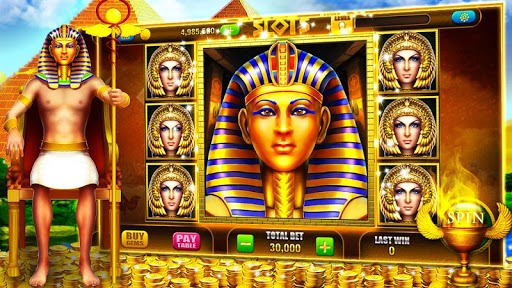
Game background - the environment behind the reels. Typically illustrated and animated (ambient movement: clouds, water, fire effects, background characters). The background needs to be visually rich but not compete with the reels for attention.
Reel frame - the border around the spinning reels. This is often elaborately designed and is a major visual feature of the game’s identity.
UI elements - buttons (spin, bet, auto-spin), paytable layout, win displays, coin counters, balance displays. These require consistent visual treatment that matches the overall theme without distracting from gameplay.
Bonus game environments - when a bonus round triggers, the game often transitions to a new visual environment. These require separate background art, UI, and often characters or animated elements.
Regulatory and Compliance Constraints
Casino game art operates under regulatory constraints that don’t exist in most other game genres:
- Many jurisdictions prohibit certain visual elements in casino game advertising and in-game art (specific representations of cash, unrealistic depictions of winning outcomes)
- Age-gating requirements affect what imagery can appear in games available in regulated markets
- Some markets require specific responsible gambling messaging to appear in the UI
Before briefing external studios, ensure your team has a clear compliance checklist for the markets you’re targeting. Regulatory requirements change and vary by jurisdiction. Your compliance team should provide guidelines before art production begins.
The Slot Game Art Production Pipeline
Slot game art production follows a structured sequence because the assets are interdependent:
1. Theme and Concept Development
The first step is defining the game’s theme and visual direction. This typically involves:
- Art director or lead artist defines the visual concept
- Reference gathering: films, illustrations, photography, competitor games
- Style direction defined: illustrated vs. cartoon vs. 3D, color palette, overall mood
- Character/symbol concepts sketched
This phase should be completed (or at least substantially locked) before detailed production begins with an external studio. Changing the theme direction mid-production is expensive.
2. Symbol Concept Sketches
Before production, all symbols should be concept sketched in rough form. This gives you:
- Confirmation that the full symbol set works as a cohesive visual family
- Early identification of symbols that don’t work at small size
- Visual hierarchy confirmation - can you clearly distinguish high-value from low-value symbols?
Symbol concepts are fast to produce and cheap to revise. Final polished symbols take significantly longer and are expensive to redesign.
3. Symbol Production
With approved concepts, symbols move into full production:
- Line art / clean sketch
- Color pass with base shading
- Detail and texture pass
- Final polish and effects
- Animation production (idle + win states)
This stage is the highest-volume production phase and is well-suited to external studio work. A studio with slot game experience will understand the production requirements and deliver assets in game-ready format.
4. Background and Environment Art
Backgrounds are produced in parallel with symbols when the concept is locked. Key considerations:
- Background must not visually compete with symbols (typically lower contrast, more desaturated than symbols)
- Ambient animation layers (separate files/layers for animated elements)
- Multiple game state versions (base game, free spins, bonus game) if applicable
5. UI Production
The UI is typically produced last because its visual style needs to match the finalized symbol and background direction. UI requires close collaboration with the development team to ensure spacing, sizing, and interactive states are handled correctly.
6. Integration and Optimization
Casino game assets have strict file size and performance requirements. After production, an optimization pass is required:
- Sprite sheets compiled
- Animation frames exported in engine-compatible format
- File sizes checked against performance budgets
- Assets tested in the actual game build
Finding Studios That Specialize in Casino Art
General game art studios may not have strong iGaming experience. When sourcing for casino game production, prioritize studios with a demonstrated track record in the genre.
What to Look For
Portfolio of completed slot games - not just “casino-style” art, but actual shipped slot games. Review the symbol work at small sizes. Look at the win animation examples if available.
Knowledge of iGaming technical requirements - the studio should understand slot-specific asset formats without needing extensive explanation. If they don’t know what a winning combination animation is, they don’t have iGaming experience.
Symbol family consistency - in a strong casino art portfolio, the symbols within a set look like they belong together. Inconsistent symbol families (where symbols look like they came from different games) indicate the studio doesn’t understand visual cohesion requirements.
Animation quality - slot animations are looped repeatedly and examined at low size. Look specifically for animation examples, not just static portfolio work.
Red Flags in Casino Art Production
No direct iGaming experience - a studio that has done general 2D illustration but no slot game work will have a steep learning curve on symbol sizing, animation conventions, and technical delivery requirements.
Portfolio inconsistency - if some symbols in a portfolio example look polished and others look rushed, the studio has inconsistent production standards. Casino games need visual consistency across the entire symbol set.
No knowledge of compliance requirements - if the studio isn’t aware that regulated markets have specific content constraints, they lack experience with professional iGaming production.
Cost of Casino Game Art Production
Slot game art production is higher-cost than many other 2D game art categories because of the animation requirements and symbol quantity. Rough benchmarks for a complete base game symbol set:
| Deliverable | Typical Range |
|---|---|
| Static symbol set (10 symbols, no animation) | $2,000–$6,000 |
| Animated symbol set (10 symbols + idle/win animations) | $5,000–$15,000+ |
| Background art (static) | $800–$3,000 |
| Background art (with ambient animation layers) | $2,000–$6,000 |
| UI element set | $1,500–$5,000 |
| Complete slot game art package | $10,000–$40,000+ |
Pricing varies significantly by studio location, tier, and animation complexity. High-detail illustrated styles at the premium end of the market command higher rates than simpler cartoon styles.
The economics of iGaming make this investment worthwhile: a successful slot game generates revenue over years. The art cost is a one-time production expense amortized over the game’s lifetime.
Working With a Casino Art Studio: Best Practices
Lock the theme before production starts. Slot game art has more interdependencies than most 2D game art. A theme change mid-production (changing from Egyptian to Norse mythology, for example) means redoing most of the work. Ensure theme and concept are confirmed before briefing production.
Provide clear size requirements for symbols. Define the exact pixel dimensions symbols will appear in the game, and confirm the studio tests readability at those dimensions during production.
Define animation specs precisely. Frame rate, loop length, file format (separate PNGs, sprite sheet, or animation file format like Spine), and specific win level distinctions all need to be in the brief.
Test symbols in the actual game as early as possible. How symbols look in isolation is different from how they look in a full reel grid with background, UI, and other symbols. Integrate a few symbols into the game build during production to catch visual issues before they affect the full set.
Plan for platform-specific variants. If your game will be published across multiple platforms (desktop web, mobile web, native app), you may need differently-optimized asset sets. Clarify this upfront.
For more on casino game design fundamentals, see our casino game design guide. For general outsourcing setup, see how to outsource game art.
Casino game art production, done well, produces assets that look premium and perform reliably across thousands of game sessions. The studios that get this right invest heavily in understanding the specific visual and technical requirements of the iGaming market.