Casino Game Design: Build Engaging Slot and Table Games
Practical guide to casino game design - core mechanics, visual design principles, and art production requirements for successful slot machines and casino games.
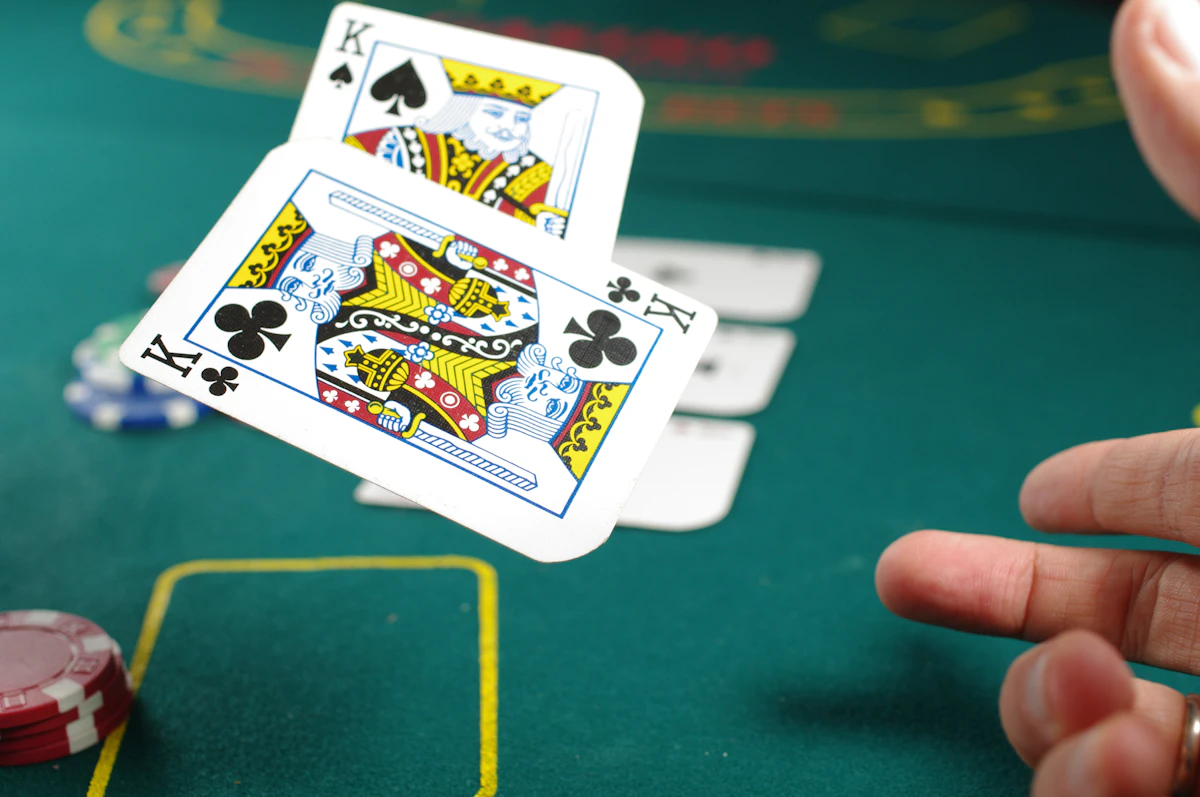
Casino game design sits at the intersection of psychology, mathematics, and visual craft. The games that succeed - the ones players return to, the ones that generate sustained revenue for operators - are engineered with precision across all three dimensions. The visual design isn’t decoration on top of the math; it’s a core part of the experience.
This guide covers the fundamentals of casino game design with particular focus on what visual and art direction decisions drive player engagement.
The Core Structure of Slot Game Design
The Math Model
Every slot game is built on a mathematical model that defines its long-term behavior. The two most important parameters:
RTP (Return to Player) - the percentage of wagered money the game pays back over time. A 96% RTP game returns €96 for every €100 wagered (over millions of spins). RTP is set at the math design stage and is regulated in most jurisdictions. Online casino games typically run 94–97%.
Volatility - how the game distributes wins over time. Low-volatility games give frequent small wins. High-volatility games give rare but large wins. The math model and the visual design need to be aligned - a high-volatility game that celebrates every small win with the same animation intensity as a big win creates an incoherent experience.
The visual design team needs to understand the math model before designing win celebrations, symbol weight, and the bonus game flow.
Reel Structure and Symbol Weight
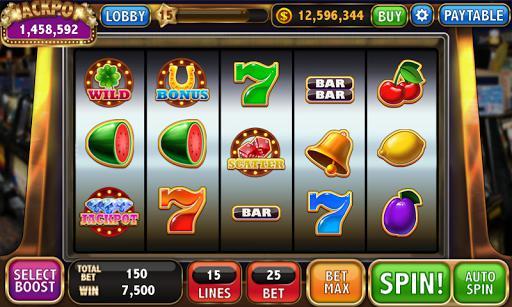
A standard modern video slot has a 5-reel structure with 3 rows (5×3 grid) and anywhere from 20 to 1,024+ paylines. The symbol set is designed to reflect the mathematical model:
Low-value symbols appear frequently and pay small amounts. Their visual design should be clean and readable at small sizes, but not so visually prominent that they dominate the screen.
High-value symbols appear less frequently and pay more. Their visual design gets the most investment - these symbols communicate the game’s theme and quality level.
Wilds, scatters, and bonus symbols are the most visually prominent symbols in the set. They trigger the game’s most exciting features, so their visual design should communicate “something important is happening” even to a first-time player.
The visual weight of each symbol should correspond to its value and frequency - a design where low-value symbols look more impressive than high-value symbols creates confusion and hurts the experience.
Visual Design Principles for Casino Games
Clarity Over Complexity
The reel grid in a slot game is dense visual information. At a 5×3 grid, a player is simultaneously processing 15 symbols, evaluating paylines, and watching animations. Visual clarity is not a secondary concern - it’s essential.
Principles that support clarity:
Symbol readability at small sizes. At 1080p, each symbol in a 5×3 grid is roughly 150–200 pixels wide. A symbol designed at 512×512 that has tiny detail elements and low contrast edges will look muddy at game resolution.
Clear visual hierarchy. Players need to instantly distinguish wild symbols from regular symbols, bonus symbols from scatter symbols. Visual distinction through shape, color, and size hierarchy prevents confusion.
Win clarity. When a winning combination lands, the visual feedback should make it immediately obvious which symbols contributed to the win. The non-winning symbols should dim or reduce in visual presence; the winning symbols should activate.
Color and Palette Strategy
Casino games use saturated, high-contrast palettes because they communicate excitement and energy. But within that framework, the specific palette choices define the game’s emotional register:
Gold, red, black - luxury, classic casino, traditional. Used in high-roller themed games, Eastern-market titles, and premium brand games.
Greens, blues, purples - fantasy, magic, adventure. Used in fantasy-themed slots, wizard games, mythological titles.
Oranges, yellows, teals - fun, casual, tropical. Used in fruit slots, vacation-themed games, more accessible casual titles.
The background, reel frame, and symbols need to work as a cohesive color system. A common mistake is designing symbols in isolation without testing how they look against the intended background.
Background Art and the “World” of the Game
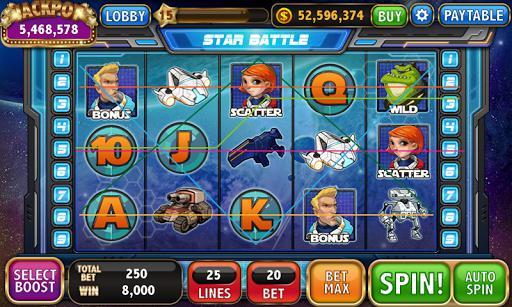
The game background - what players see behind the reels - creates the game’s world. Strong background art does several things simultaneously:
Establishes theme - a castle, a temple, a beach, a city skyline. The theme is communicated instantly through the background even before the player reads the game title.
Creates atmosphere without distraction - the background should have visual richness but not compete with the reel grid. A common approach is to use the background edges and periphery for the most visually active elements (animated characters, environmental effects) while keeping the area directly behind the reels more calm and consistent.
Supports brand narrative - premium games have backgrounds that tell part of a story. The temple has a history suggested by its architecture. The wizard has a laboratory visible through the window. Visual storytelling creates attachment beyond the mechanical experience.
Animation Design
Animation in casino games serves specific psychological functions - it’s not purely aesthetic.
Anticipation animations - the reel landing sequence, the pause before a big win is revealed. These extend the moment of uncertainty and heighten engagement. Well-designed anticipation animations are a significant driver of player excitement.
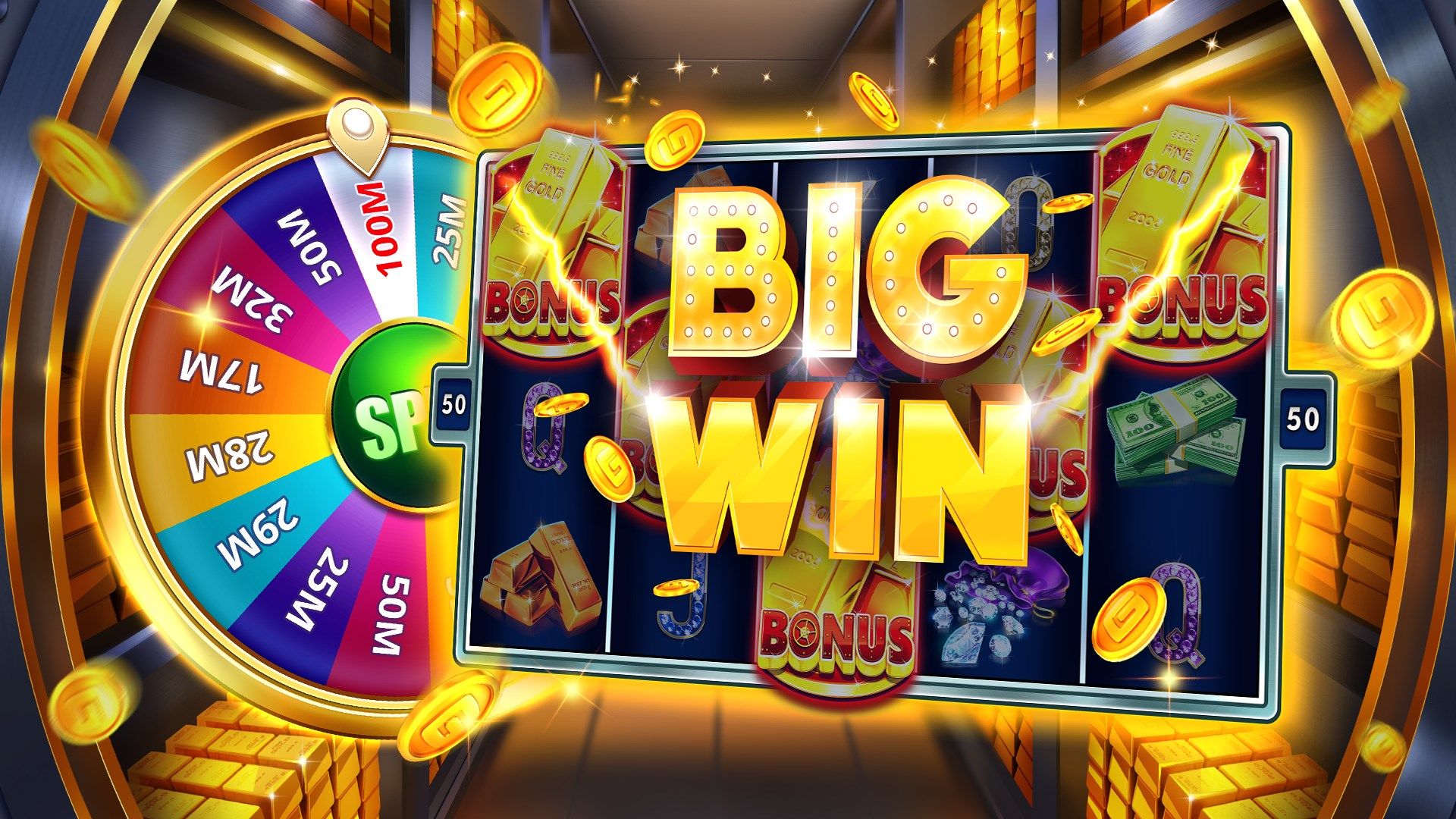
Win celebration animations - the visual response to a winning combination. Scaled by win size: small wins get subtle symbol activations, medium wins get symbol animations and particle effects, large wins (jackpots, max wins) get full-screen celebrations. The scaling should match the mathematical win tiers.
Ambient animations - subtle background animations (characters moving, environmental effects) that create a sense of a living world during normal play. These run continuously in the background and should not be visually dominant.
Feature trigger animations - when the bonus game or free spins trigger, this is the highest-excitement moment in the base game. The animation marking this event should be unmistakably distinct from normal play.
The Bonus Game
The bonus game is typically the most creatively complex part of a slot game’s design. It requires its own:
- Art environment (separate background from base game)
- UI design for the specific bonus mechanic
- Win feedback animations
- Entry and exit transitions
Popular bonus game structures:
Free spins - the most common. Players receive a set of free spins, often with enhanced mechanics (sticky wilds, multipliers, expanded reels). The visual shift from base game to free spins should feel like a meaningful transition - different background, different color temperature, possibly different music.
Pick bonuses - player selects from objects to reveal prizes. Requires a designed selection screen with clear interactive elements and reveal animations.
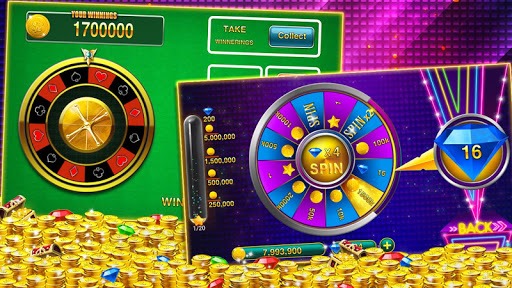
Wheel bonuses - spinning wheel mechanic. Requires a designed wheel UI that communicates clearly and animates satisfyingly.
Each bonus type requires specific UI and art assets beyond the base game. When briefing casino art production, the bonus game scope needs to be defined explicitly - it can double the art asset count compared to the base game alone.
What Good Casino Game Design Looks Like in Practice
A well-designed slot game from an art direction perspective has:
- Cohesive symbol set - symbols look like they belong in the same game and the same world
- Clear value hierarchy - you can distinguish high-value from low-value symbols at a glance
- Readable at game resolution - no symbol loses legibility when displayed in the reel grid
- Atmospheric background - creates world without competing with gameplay
- Scaled win feedback - animation intensity matches win size
- Distinct bonus state - free spins or bonus game feels meaningfully different from base game
- Technical precision - all symbols align correctly in the grid, animations loop cleanly, no texture seams
The games that succeed consistently in competitive iGaming markets are the ones where math and visual design are developed in close alignment. The art team needs to understand the game’s volatility, win tiers, and feature structure - not just the theme and visual concept - to make design decisions that reinforce the intended player experience.
For production guidance, see our slot and casino art outsourcing guide. For general 2D art outsourcing principles, see 2D game art outsourcing.
Casino game design is one of the more specialized intersections of game development and visual art production. The studios that do it well build deep expertise in the specific visual conventions, regulatory requirements, and player psychology that drive this market.