Game Character Art Outsourcing: Complete Production Guide
How to outsource game character art - finding the right studio, briefing production, managing revisions, and getting characters that fit your visual identity.
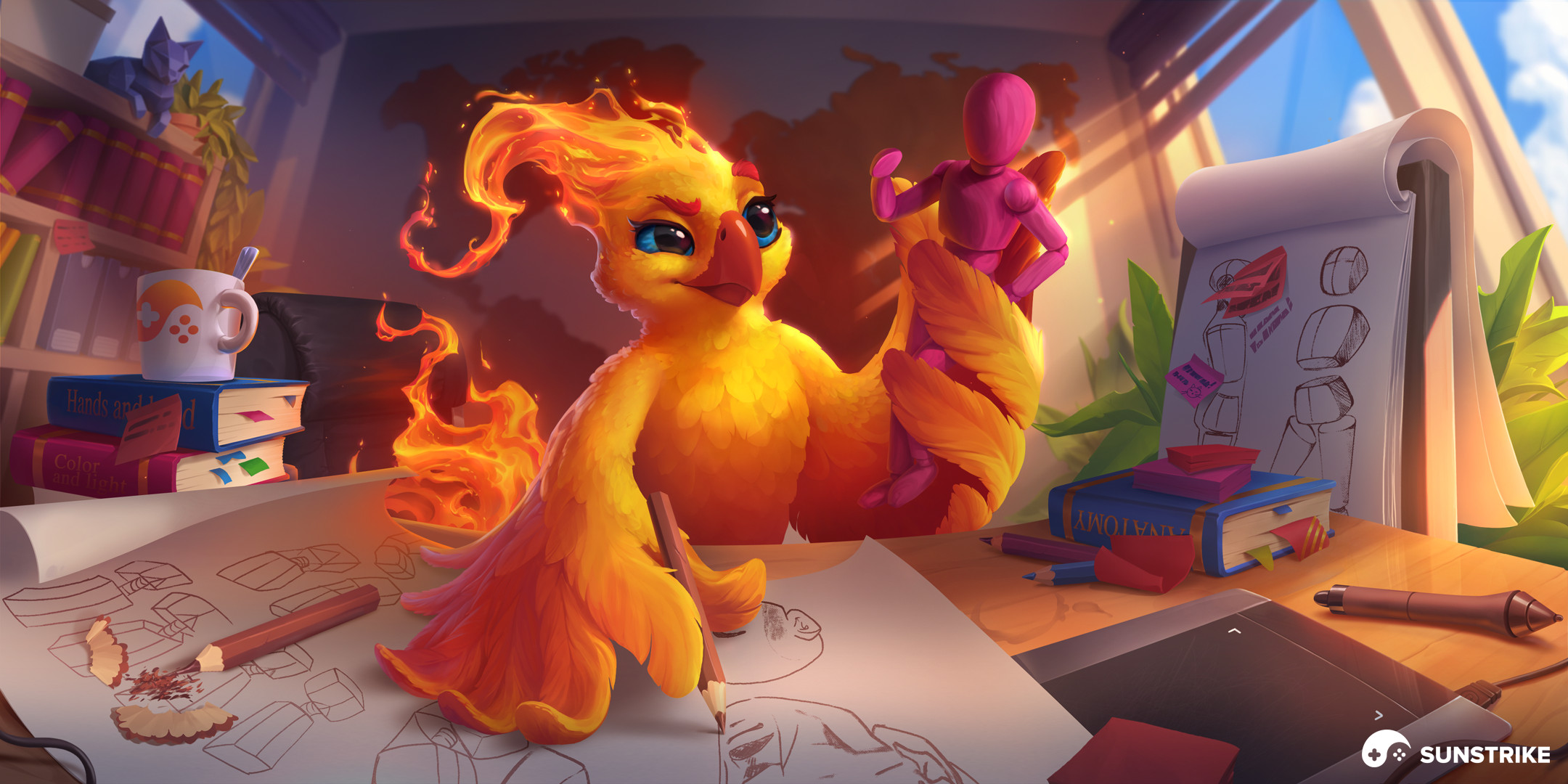
Game character art outsourcing is the most creatively sensitive category in external game production. Characters are the face of your game - the things players form emotional connections with, the assets most visible in marketing, and the deliverables most likely to define how players perceive your game’s visual quality.
Getting character art outsourcing right requires more upfront investment than most other art categories. This guide covers the full picture: what makes character outsourcing different, how to brief it effectively, and how to manage production so the characters that ship match the vision you started with.
What Game Character Art Outsourcing Includes
Character art production spans multiple disciplines depending on your game’s needs:
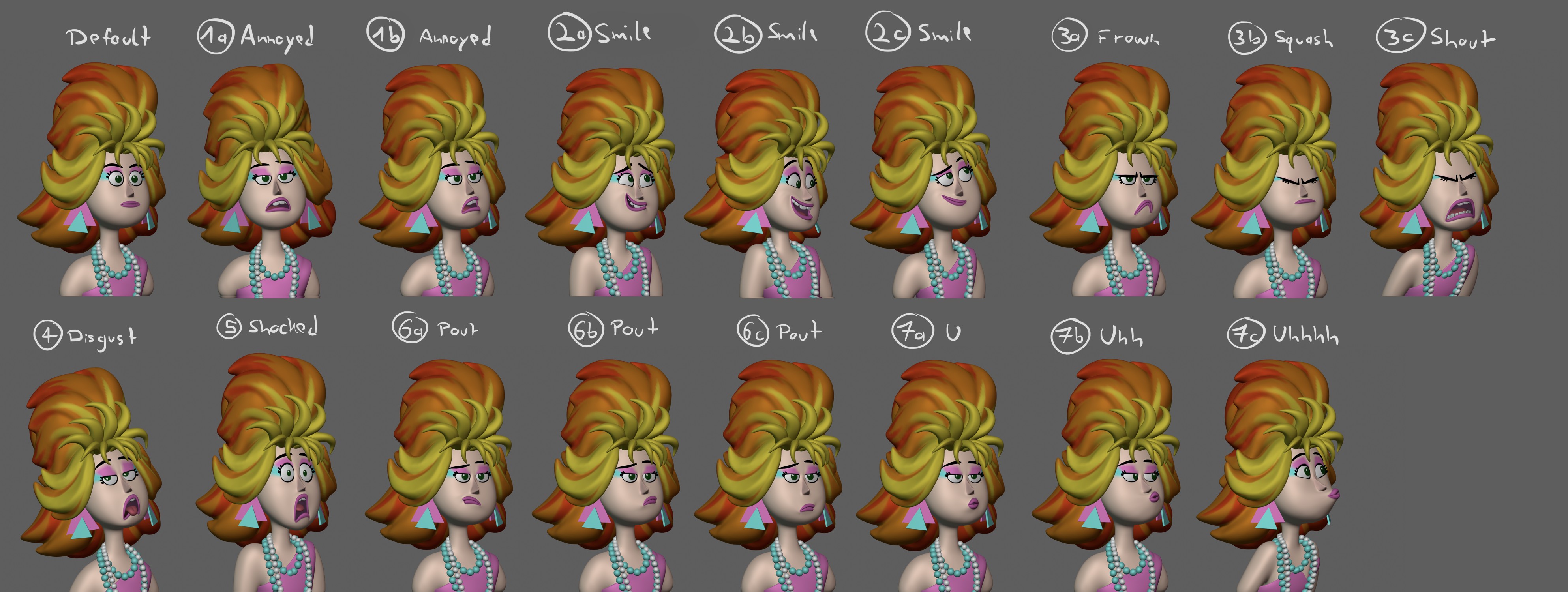
Concept art and character design - the 2D design exploration that defines what a character looks like before 3D modeling or final sprite production begins. Character concepts include orthographic views (front, side, back), expression studies, and color palette documentation.
2D character sprites - frame-by-frame sprite animation for 2D games, skeletal animation (Spine, DragonBones) for mobile and cross-platform games, or hand-painted character illustrations for visual novels and RPG UIs.
3D character modeling - low-poly game-ready mesh with PBR textures, built for real-time rendering in Unity, Unreal, or custom engines. Includes retopology, UV layout, and texture baking from high-poly source.
Character rigging - skeletal hierarchy creation, skin weight binding, and control rig setup. Rigging quality determines how well the character deforms during animation.
Character animation - motion clips for locomotion, abilities, combat, and narrative. In-engine animation clips must integrate with the game’s animation state machine.
Portrait art and character illustrations - static 2D character art used in dialogue boxes, character selection screens, loading screens, and marketing.
Most outsourcing engagements cover one or two of these phases rather than all of them. A studio might outsource concept art to one specialist and 3D modeling to another. Clarifying exactly which phases are in scope is the first step in any character art brief.
Why Character Art Is Harder to Outsource Than Other Asset Types
The Design Translation Problem
Characters have defined personalities that need to be communicated visually. When you describe a character as “a seasoned warrior who hides deep grief beneath a stoic exterior,” an artist needs to translate that into design choices - silhouette, color palette, proportions, costume details, facial expression - that communicate those qualities consistently across the full character design.
This translation from personality brief to visual character is a creative problem that different artists solve differently. Without extensive visual reference and careful review at concept stage, the character that arrives in 3D production may technically match the brief description while missing the emotional quality you intended.
Style Fidelity Across the Cast
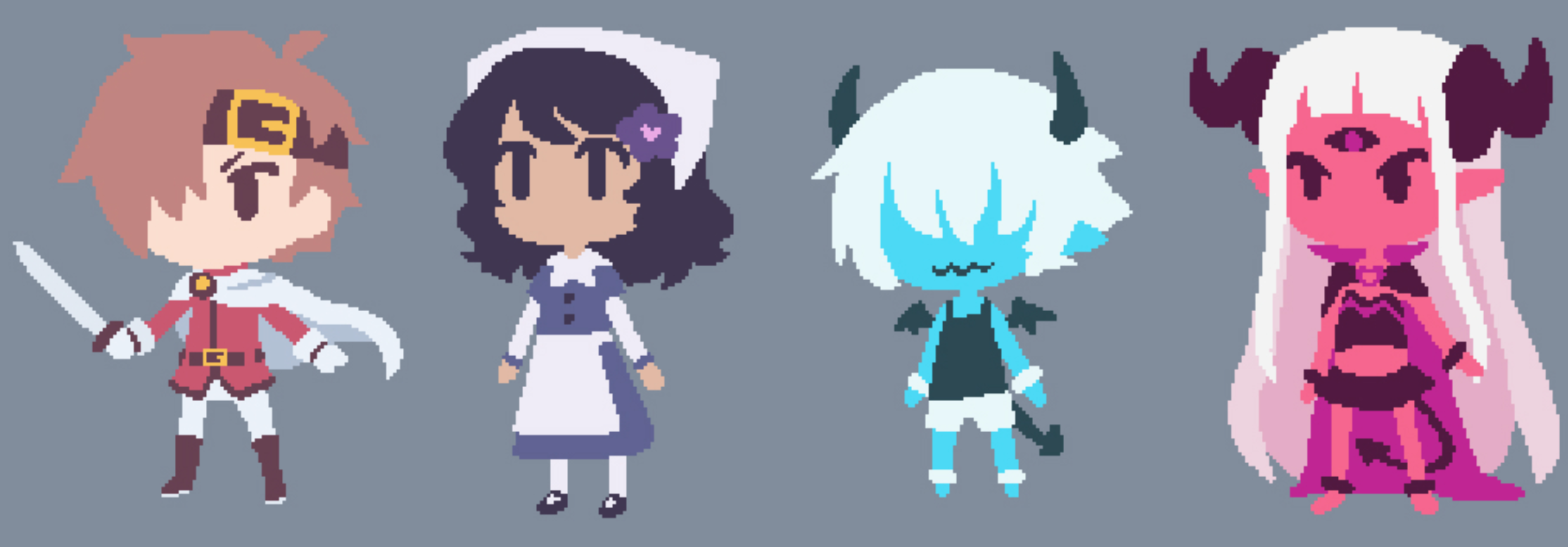
A standalone character looks different from a character in context with your full cast. Proportion inconsistencies between characters that look fine in isolation become obvious when characters appear together in gameplay. Color palette conflicts that aren’t visible on a single character create visual noise when multiple characters are on screen simultaneously.
Reviewing characters in the context of your full cast - not just each character individually - is essential for catching cohesion problems before they compound.
The Long Revision Tail for 3D Characters
2D character art is relatively forgiving for late-stage changes - a finished illustration can be repainted at moderate cost. 3D character production is much more rigid: a design change after modeling is complete means rebuilding the model. A change after texturing means retexturing. A change after rigging means re-rigging.
The design must be locked before 3D production begins. This is not just good practice - it’s the difference between a manageable revision and an expensive rebuild.
Finding the Right Character Art Studio
Style Matching Is Non-Negotiable
The most important criterion when selecting a studio for character art is whether their portfolio demonstrates the specific style you need. A studio that produces beautiful realistic characters is not automatically equipped to produce compelling stylized cartoon characters, and vice versa.
Be specific: if your game has a semi-realistic stylized aesthetic with strong silhouettes and bold color choices, look for those exact qualities in the studio’s work. Don’t approve a studio based on general quality - approve them based on demonstrated competence in your visual direction.
What to Check in Character Art Portfolios
Concept-to-production examples - if possible, find portfolio pieces where you can see both the concept art and the final 3D model. How accurately does the 3D model translate the concept’s proportions, silhouette, and personality? Proportion accuracy from concept to model is a specific skill that’s difficult to assess without seeing both.
Multiple characters, same game - if the studio shows portfolio work from a single game title featuring multiple characters, check whether the characters feel like they belong in the same world. Cohesion across a cast is the real test.
Technical quality in 3D - request wireframe images if evaluating 3D work. Clean topology around joints and facial features indicates production experience. Dense, unplanned mesh topology indicates limited game production background.
Animation examples - if you need animated characters, request animation demonstrations, not just posed renders. A character in motion reveals rigging quality and animation skill in ways a static portfolio doesn’t.
Briefing Character Art Production
The Concept Art Prerequisite
For any 3D character production, concept art should precede modeling. This is not optional - it’s the primary quality control mechanism for character production. A 3D model built without approved concepts is a gamble on the modeler’s interpretation of a text description.
If you don’t have internal concept art capability, either brief concept art as a separate first phase with a specialist, or request that the 3D studio include concept development in their scope. Ensure there is an explicit concept approval milestone before any 3D work begins.
What a Character Art Brief Must Include
Character role and personality - who is this character, what’s their function in the game, and what emotional quality should their design communicate? The more specific the personality brief, the more precisely the design can be directed.
Visual references - 5–10 images showing the aesthetic you’re targeting. Annotate what specifically you’re referencing in each: “this character’s proportions,” “this color palette,” “this level of costume complexity.” Unannotated reference boards create ambiguity.
Existing cast - if you’re adding a character to an existing cast, provide high-resolution images of every existing character. New characters must be designed in context with the established cast, not independently.
Style guide and palette - if you have a style guide, deliver it. The color palette is particularly important for character art because every new character’s colors will interact with every character already in the game.
Negative references - what styles should be explicitly avoided? If there are visual approaches common in the genre that you want to distinguish your game from, document them.
Technical specifications (for 3D) - target engine, polycount budget, texture resolution, rig requirements, animation clip list. See our 3D art outsourcing guide for detailed technical brief requirements.
The Blockout Review for 3D Characters
For 3D character production, a mandatory blockout (low-detail stand-in model with correct proportions and silhouette) review before detailed production begins is the most important quality gate in the pipeline.
Proportion errors caught at blockout stage take hours to fix. The same errors caught after high-poly sculpting and texturing take days. This stage gate is not overhead - it’s the difference between a functional pipeline and an expensive one.
Managing Character Art Production
Concept Phase: Lock the Design Before Any 3D Begins
The most expensive mistake in character outsourcing is beginning 3D production before the design is fully locked. Even a partially defined concept creates production risk.
Run a complete concept approval cycle - thumbnails, development sketches, color pass, final concept - before briefing 3D production. The concept approval gate is a formal decision: once approved, the design is locked. Changes after the gate are scope changes with cost and schedule implications.
3D Phase: Review at Each Pipeline Stage
Review and approve each stage before authorizing the next:
- Blockout - proportions and silhouette confirmed
- High-poly sculpt - surface detail and form confirmed
- Game-ready mesh - topology, UV layout, polycount confirmed
- Textures - materials reviewed in your actual engine under production lighting
- Rig - tested with representative animation clips in your animation system
- Final delivery - all files verified against technical spec
Missing any of these reviews is how late-stage expensive rework happens.
Keep Feedback Character-Specific
When giving feedback on character art, relate notes to the character’s design intent: “This character should communicate calm authority - the facial expression here reads as anxious rather than composed. Reference the approved expression sheet for the target.” Character-specific feedback is more actionable than generic visual notes.
What Game Character Art Outsourcing Costs
Character art costs vary more than any other art category because the quality ceiling is high and the production complexity scales dramatically with detail and animation requirements.
| Asset Type | Budget Range | Mid-Tier Range |
|---|---|---|
| Character concept art (3 views, full color) | $400–$1,200 | $1,200–$3,000 |
| 2D character sprite (static, multiple expressions) | $300–$800 | $800–$2,000 |
| 2D character with animations (Spine rig + 5 clips) | $800–$2,000 | $2,000–$5,000 |
| 3D character (no rig, mobile poly budget) | $800–$2,500 | $2,500–$6,000 |
| 3D character (with rig, PC/console quality) | $2,000–$6,000 | $6,000–$18,000 |
| 3D character (full animation set, 10+ clips) | $5,000–$15,000 | $15,000–$40,000+ |
For full pricing context including environment art, see the game art cost guide.
Common Character Art Outsourcing Problems
Starting 3D before concept is approved. This creates a situation where the first 3D deliverable reveals design problems that should have been caught at concept stage. Lock the design first.
Providing a personality description without visual references. Text descriptions of personality are subjective. “Mysterious and enigmatic” means different things to different artists. Visual references make the target unambiguous.
Not reviewing characters in context with the full cast. A character that looks fine in isolation can conflict visually with the established cast in ways that only become apparent when they’re seen together.
Accepting early deliverables with proportion errors. It’s tempting to approve a concept or blockout that’s “close enough” rather than push for a full correction. Proportion errors in characters don’t get fixed by themselves - they persist through every downstream stage and are more expensive to correct at each step.
Conclusion: Getting Game Character Art Outsourcing Right
Character art is where the most visible quality wins and losses happen in game outsourcing. The brief, the concept approval gate, and the stage gate reviews are not overhead - they are the primary quality control mechanisms that determine whether the characters you ship match the vision you started with.
The studios that get it right invest in thorough concept approval, rigorous stage gate reviews, and choosing specialists whose portfolios demonstrate exactly the style and technical quality they need.
For related guidance, see stylized 3D character art for style-specific production guidance, and how to write a game art brief for brief structure and templates.