Video Game Advertising Art: Create Game Ad Creatives That Convert
Production guide to game advertising art - playable ads, banners, and video. Covers format requirements, outsourcing, and what makes ad creatives perform.
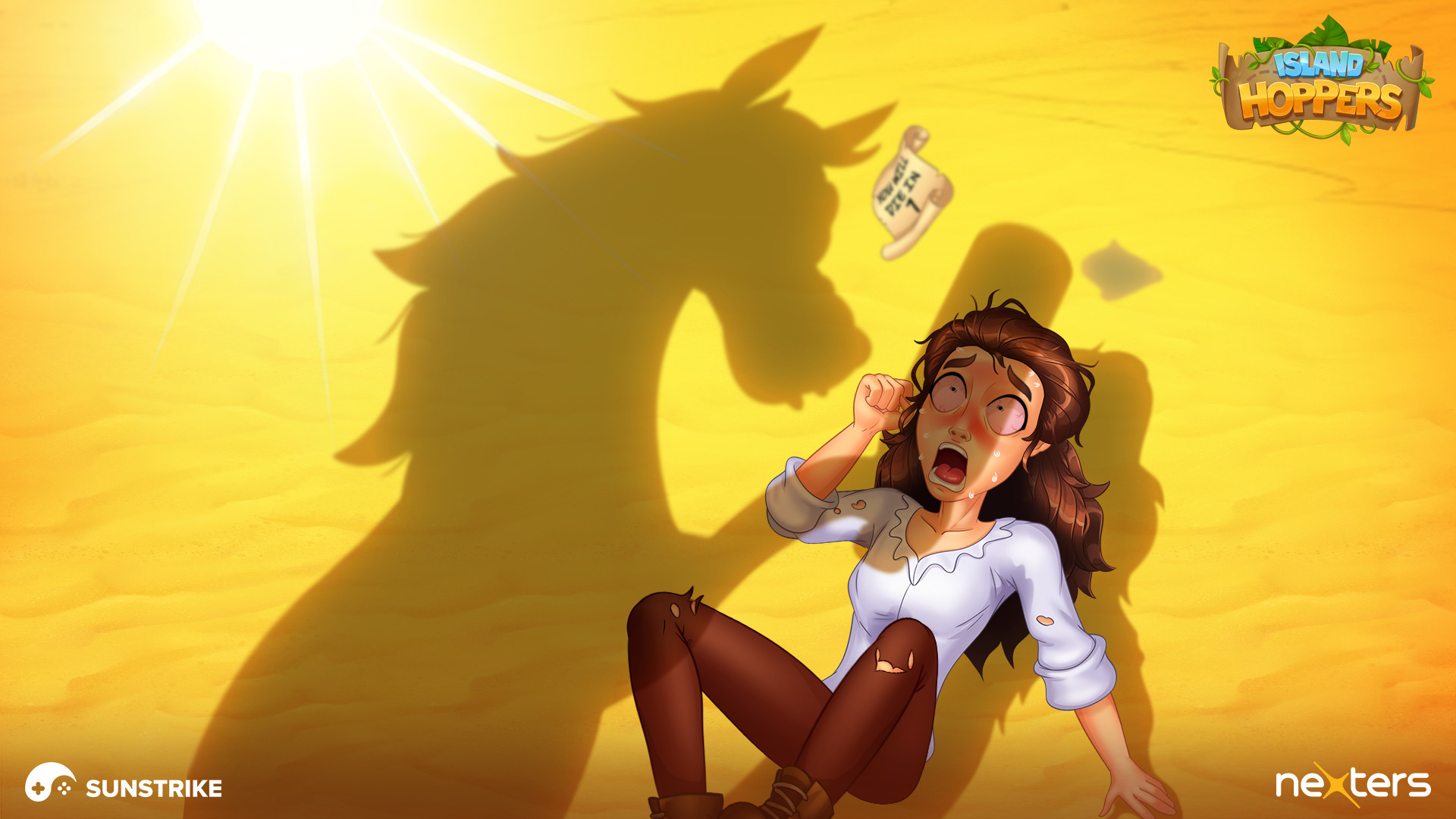
Video game advertising is one of the most competitive visual environments in digital marketing. Mobile game ads in particular compete for attention across social feeds where users are scrolling past thousands of impressions per day. The creative - the art - is the primary lever a game marketer can pull.
This guide covers what game advertising art actually involves, how to brief and produce it well, and how to work with external studios on ad creative production at scale.
What Video Game Advertising Art Actually Includes
Game advertising creative is broader than most studios initially plan for. A comprehensive ad creative program typically involves:
Static display ads - banner ads in standard IAB sizes (300×250, 728×90, 160×600, 320×50 mobile), often produced in sets of 5–8 sizes per concept. High-volume, requires consistent resizing across formats.
Social media creatives - platform-specific formats for Meta, TikTok, Snapchat, and Google UAC. Feed placements, Stories (9:16), Square (1:1), and Landscape (16:9) each require separate compositions, not just resizing.
Playable ad assets - interactive ad units where users play a mini-version of the game before installing. These require UI elements, character animations, and simplified gameplay environments built specifically for the ad format.
Video ad assets - the individual art components that go into video ad production: character animations, environment cutouts, UI overlays, and key art backgrounds. Even if your video production is in-house, the underlying assets often need to be outsourced.
App store creative - screenshots, feature graphics, and preview videos. Often underinvested, despite being the final conversion point before install.
Seasonal and event variants - holiday-themed creatives, limited-time offer banners, and event-specific assets that need to be produced quickly at campaign launch.
What Makes Gaming Advertising Art Perform
Creative performance in mobile game advertising is measurable in ways that brand advertising isn’t. Every asset either drives installs or it doesn’t. This creates a feedback loop that good game marketers use to evolve creative direction.
Several visual attributes correlate consistently with performance:
Clarity at Thumb Scroll Speed
Gaming ads are consumed in under a second in a social feed. The primary visual message - what the game is, why it’s interesting - has to land before the user’s thumb has time to react. Complex compositions, small text, and visual clutter fail this test even when they look good at full size.
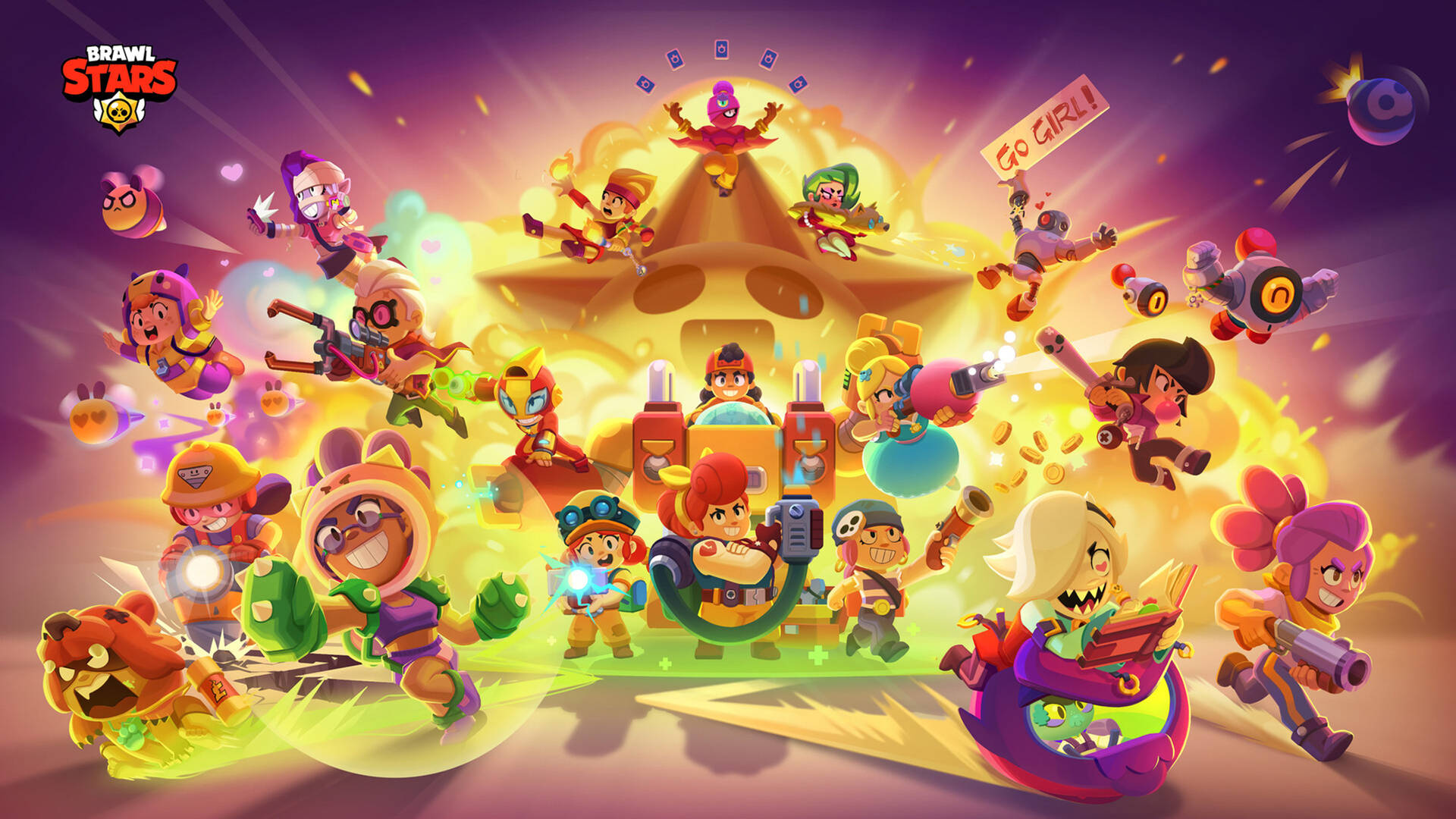
Strong-performing game ads often have a single dominant visual element: a character in action, a surprising gameplay moment, a satisfying match animation. The game’s value proposition is communicated visually, not through text.
Authentic Gameplay Footage vs. Polished Cinematic Art
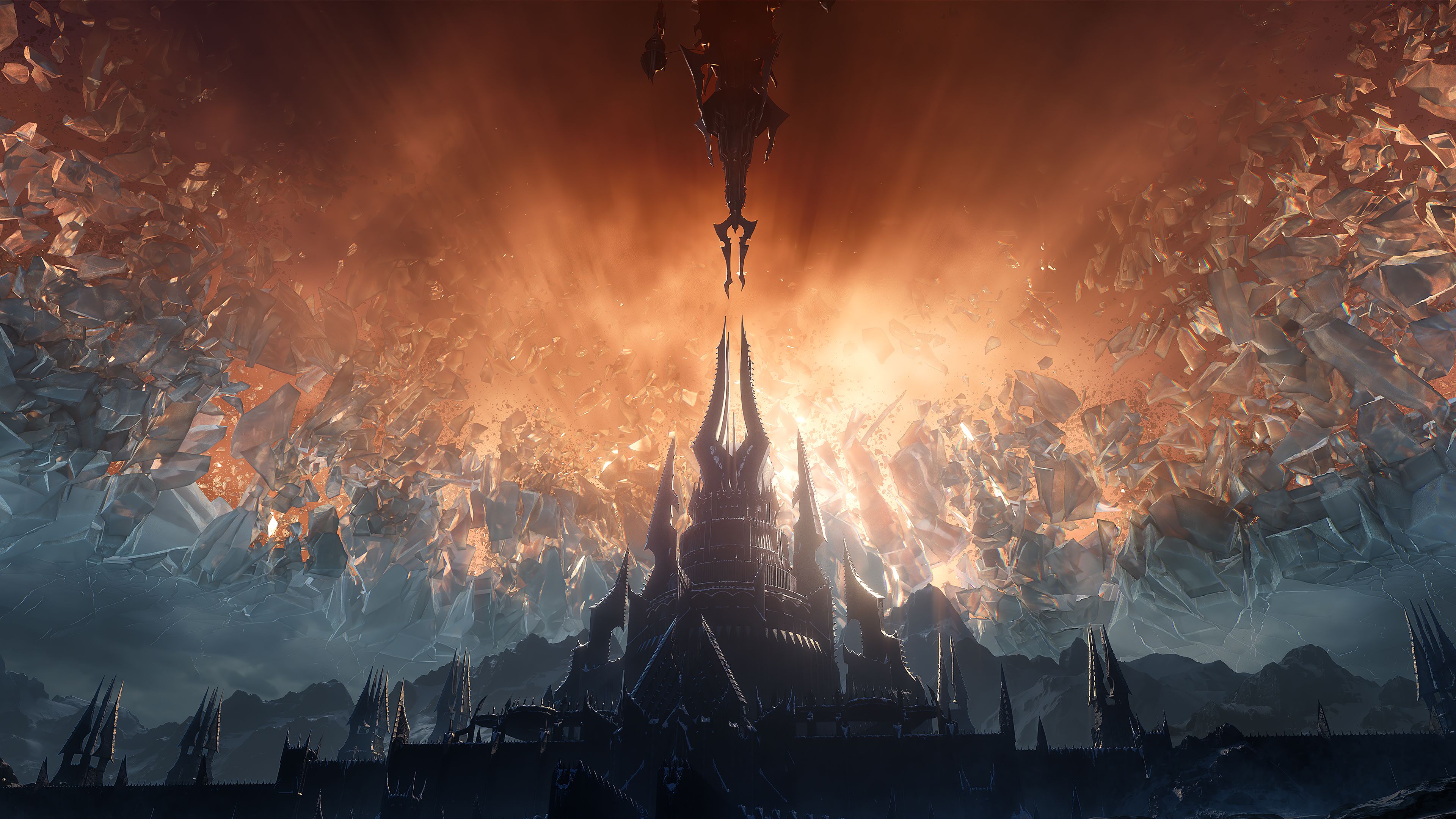
User acquisition data across mobile games shows a persistent split: some titles perform better with highly polished cinematic creative (character renders, illustrated key art), while others perform better with raw gameplay footage or deliberately rough-looking “authentic” creative.
The right answer depends on your game’s genre, audience, and competitive set. Puzzle games frequently outperform with gameplay-focused creative. Action and RPG titles often benefit from character and narrative-driven key art. The only way to know for your specific game is to test.
Creative Novelty
Ad creative fatigues faster than most studios expect. A top-performing banner ad that runs for three months will see its CTR and conversion rate degrade as the same audience sees it repeatedly. Mobile game advertising requires continuous creative production - not a one-time asset build.
Studios that build efficient outsourced creative pipelines significantly outperform those that treat ad creative as a periodic project.
Briefing an External Studio for Ad Creative
Ad creative briefs differ from game asset briefs in several important ways.
What to Include
Campaign objective and KPIs - is this an install campaign, a re-engagement campaign, or an awareness play? The objective shapes which creative approach is appropriate.
Target audience - demographic and psychographic profile. A creative targeting casual puzzle players looks different from one targeting hardcore RPG players. Gender split, age range, and geographic market all affect visual direction.
Core game loop visualization - what moment in the game do you want the ad to convey? The most satisfying gameplay moment, the most dramatic character ability, the most progress-rewarding event. Define this in the brief - don’t leave it to the studio to guess.
Platform requirements - each platform has specific format requirements and content policies. Meta’s ad policies differ from TikTok’s. Define which platforms you’re producing for and pull the current spec sheets. Ad formats change; always check the current requirements at campaign time.
Competitive reference - your competitors’ ads are publicly visible via Meta Ad Library and other tools. Providing 5–10 reference ads from competitors you want to outperform gives the studio direct visual context.
What you don’t want - negative direction is especially important for ad creative. If previous creative approaches underperformed, document them and tell the studio to avoid them.
Format and Delivery Requirements
Ad creative has strict technical requirements that game asset production doesn’t. Before briefing, confirm:
- Maximum file size per format (Facebook static: 30MB; video: 4GB; Snapchat video: 32MB)
- Animation length limits (Meta Stories: 15 seconds; TikTok: 9–15 seconds for highest performance)
- Text overlay limits (some platforms penalize ads with >20% text area)
- Safe zones (for Stories formats, keep key content out of the bottom 250px and top 100px where UI elements appear)
- File format requirements (MP4 vs. GIF vs. HTML5 for interactive formats)
Delivering an asset set that fails to meet platform specs after production is complete is expensive and creates schedule pressure. Build the spec check into the brief, not the review.
Outsourcing Ad Creative Production at Scale
Mobile game advertising requires ongoing creative production - not a single asset build. Studios that perform well in user acquisition typically have a factory-style production model.
Building a Creative Production Pipeline
The most efficient external creative pipelines for gaming advertising typically work like this:
Creative strategy in-house - your UA team or growth team defines the creative hypothesis: what message, what audience, what visual approach to test next. This requires understanding your data, which is something no external studio can own.
Production outsourced - once the creative concept is defined (and tested at small scale with quick internal mockups), production of the full asset set - all sizes, all platform variants - goes to an external studio.
Iteration velocity - the external studio becomes fluent in your brand and ad format requirements after the first few production cycles. Establish a brief template so each cycle requires minimal back-and-forth.
Batch production - rather than briefing one creative at a time, batch concepts into production runs of 5–10 new creatives per cycle. This is more efficient for the studio and for your own briefing time.
Working with Studios That Specialize in Ad Creative
Not all game art studios do ad creative well. The skills required are different:
- Understanding of digital ad formats and platform requirements
- Speed of production - ad creative needs faster turnaround than game assets
- Ability to produce multiple size variants from a master layout
- Experience with brand consistency across a large format library
When evaluating studios for ad creative work, ask to see examples of multi-format campaigns they’ve produced - not just individual hero pieces. Producing 12 sizes from a single concept without losing visual integrity is a specific skill.
Playable Ad Production
Playable ads require a different production workflow because they involve interactive elements. The art production side of playables includes:
- Simplified game environment backgrounds
- Character sprites optimized for the playable’s reduced visual fidelity
- UI elements: buttons, progress bars, countdown timers
- Endcard design (the screen shown after gameplay that drives install)
Playable ad art is typically produced at lower fidelity than your actual game assets, deliberately - the point is to communicate the game feel quickly, not to deliver cinematic quality. Brief your studio accordingly.
App Store Creative: The Most Underinvested Channel
Most studios spend 10× more on user acquisition creative than on app store creative. This is a strategic mistake: your app store listing is the final conversion step in every ad campaign.
Strong app store creative requires:
Screenshots - each screenshot should communicate one benefit or feature. The first screenshot (shown in search results) is the highest-leverage slot in the listing. Many studios produce their screenshots too generically - “here’s how the game looks” rather than “here’s why you’ll love this.”
Feature graphic (Google Play) - a 1024×500 banner that appears at the top of your Play Store listing. Treat it like a hero ad, not an afterthought.
Preview video - autoplay preview videos on iOS (up to 30 seconds) have high impact on conversion. Show the most satisfying moments in the first 5 seconds.
Outsourcing app store creative production alongside your ad creative production makes sense - the same studios can handle both, and the visual consistency between ads and store listing reinforces brand recognition.
What to Expect at Different Budget Levels
Ad creative production costs vary significantly by volume, complexity, and studio type.
Low budget ($500–$2,000 per creative run): Small studios or freelancers producing 3–5 static creatives in 2–3 sizes. Limited iteration, slower turnaround. Appropriate for early-stage games or limited campaigns.
Mid budget ($2,000–$8,000 per creative run): Specialized creative studios producing 10–20 assets across multiple formats with proper brand compliance and multiple concepts per run. This is the range where most growing mobile games operate.
High budget ($8,000+): Multi-concept campaigns with video production, playable ad art, and full app store asset refresh. Appropriate for games with significant UA budgets where creative is a primary performance lever.
The economics of ad creative investment scale with your UA spend. If you’re spending $100K/month on mobile UA, producing $500 in creative assets is a misallocation.

For Instagram-specific guidance, see mobile game ads on Instagram. For the underlying art production that feeds advertising campaigns, see 2D game art outsourcing.
Game advertising art is a production problem that compounds: the studios that build efficient creative production pipelines early in their UA journey have a durable competitive advantage over those that treat it as an afterthought.